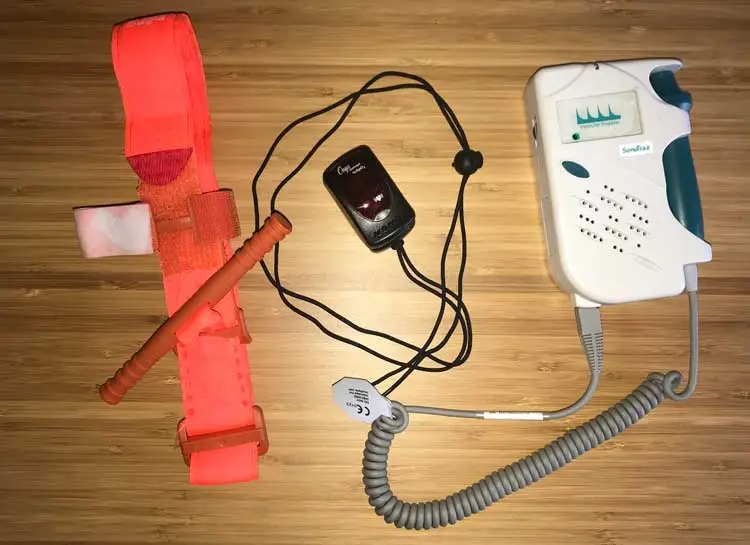
Researched and written by Mike Shertz, MD/18D, not AI 🕖 Reading Time, 5 minutes BLUF* Is there a role for using a fingertip pulse oximeter as a training tool for tourniquet placement? We believe the answer is no. Considering the relative …

The easy to remember mnemonic MARCH reminds us of the priorities in treating casualties during TECC and TCCC situations. MARCH provides a framework to address immediate life threats and gives an organized approach to begin a casualty evaluation. The MARCH mnemonic is preferable to the ABCDE model because it takes into consideration the reason you need an airway and to be breathing is to circulate blood to the casualty’s brain. Recognizing that, the first step in our casualty evaluation should be to look for massive hemorrhage.
Once past massive hemorrhage, A-R-C is loosely approximated by A-B-C. H- is a reminder that a large number of traumatic casualties arrive at the emergency department or medical treatment facility hypothermic which dramatically increases their death rate.
The MARCH mnemonic can be applied to any patient, as the initial casualty evaluation usually rules out massive hemorrhage.
Researched and written by Mike Shertz, MD/18D, not AI 🕖 Reading Time, 5 minutes BLUF* Is there a role for using a fingertip pulse oximeter as a training tool for tourniquet placement? We believe the answer is no. Considering the relative …
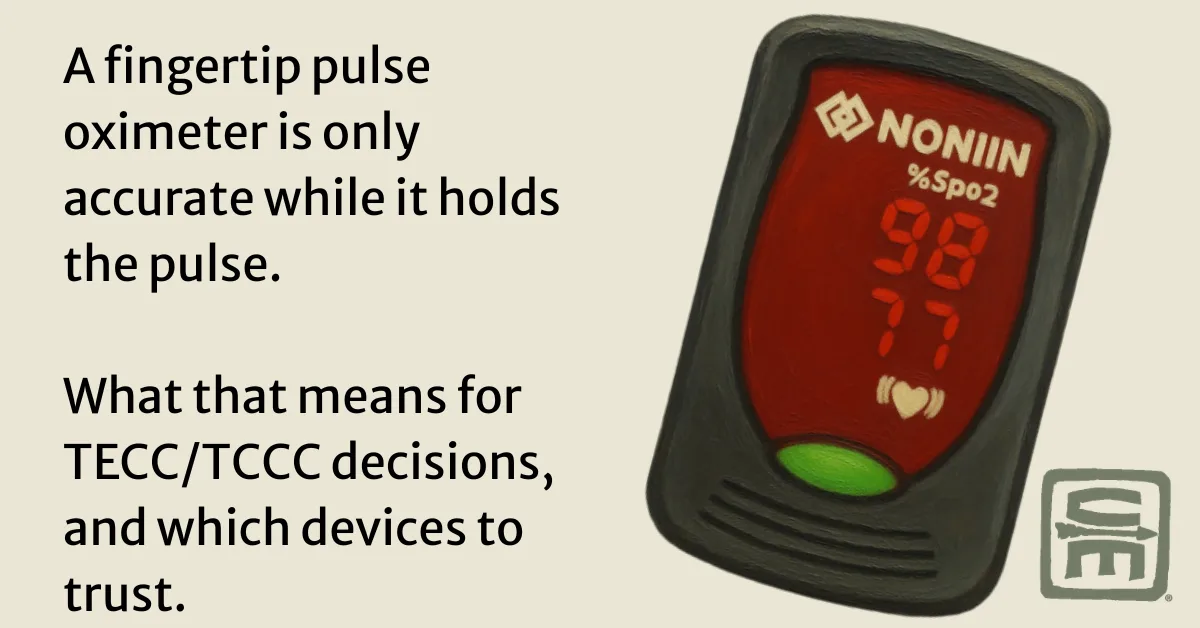
Researched and written by Mike Shertz, MD/18D, not AI 🕖 Reading Time, 5 minutes BLUF*: For the pulse oximeter’s O2 saturation reading to be valid, the device must also be consistently identifying the patient’s pulse. If the pulse waveform or …

Researched and written by Mike Shertz, MD/18D, not AI 🕖 Reading Time, 3 minutes When Deputy Just responded to a call regarding gunfire, she didn’t know there was a victim until she heard the 911 operator giving care instructions to …
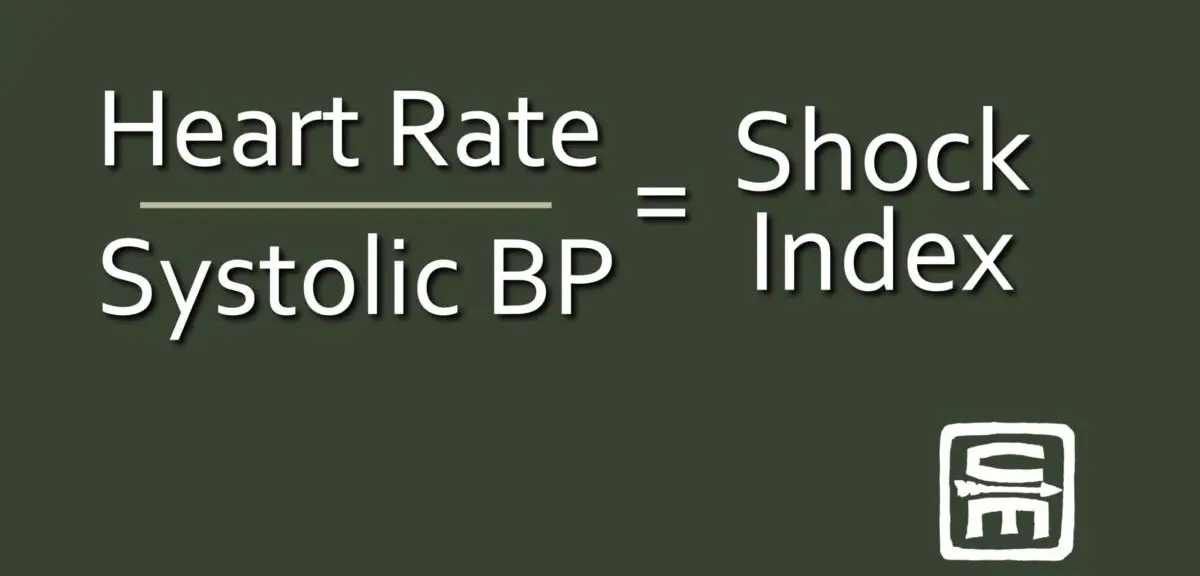
Researched and written by Mike Shertz, MD/18D, not AI 🕖 Reading Time, 4 minutes Although not as convenient as evaluating the “Go / No Go” presence of a casualty’s radial pulse, their “shock index” is a much more sophisticated snapshot …
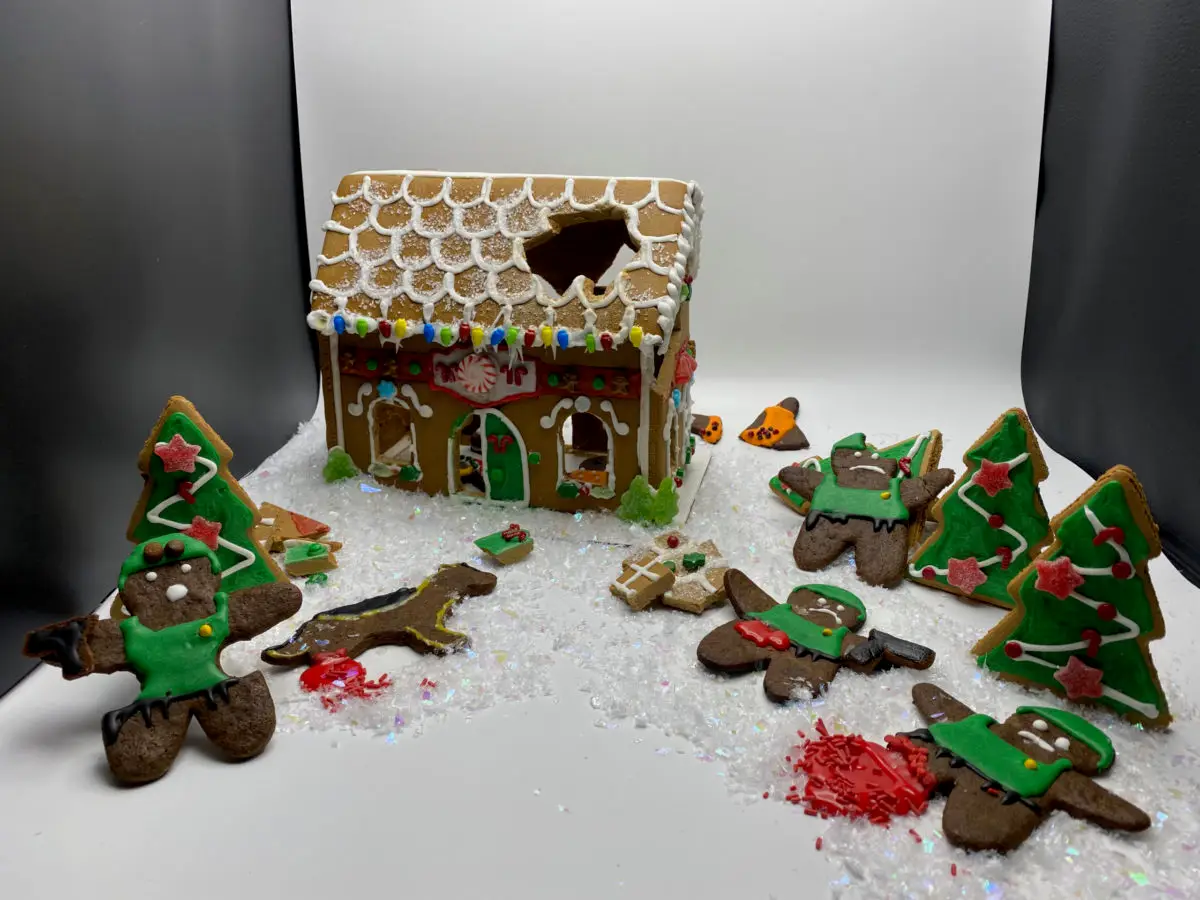
Triage systems are used by prehospital providers to “sort” casualties 🕖 Reading Time, 12 minutes Researched and written by Mike Shertz, MD/18D, not AI Triage systems are used by prehospital providers to “sort” casualties into essentially those who are dead …
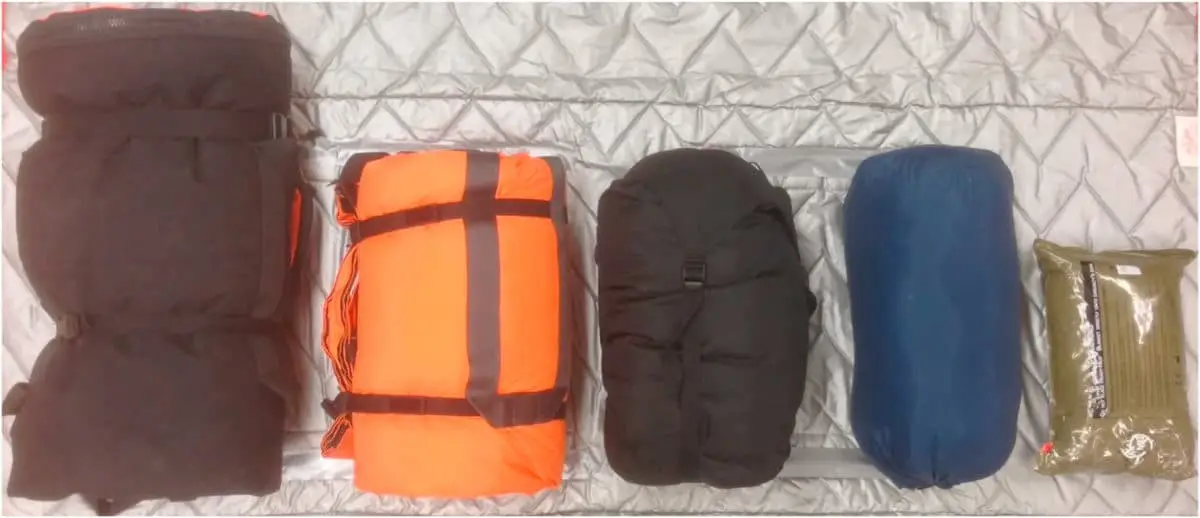
In 2021, the TCCC Committee changed to hypothermia management for combat casualties. Researched and written by Mike Shertz, MD/18D, not AI 🕖 Reading Time, 3 minutes The Co-TCCC noted there had been no review of hypothermia management in the guidelines …