Improvised Litters

Researched and written by Mike Shertz, MD/18D, not AI

🕖 Reading Time, 4 minutes

Creatively free-thinking under stress is extremely difficult. Learn to see improvised techniques in your every day environment and they will occur to you when you need them.

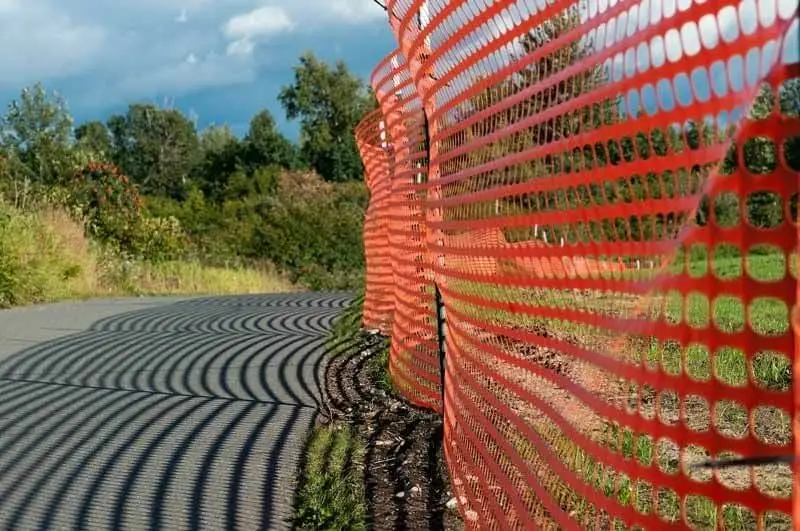
Construction Barrier to Improvised Litter

A very lightweight construction barrier is used as an improvised litter to carry a 185 pound casualty. It was flimsy enough it had to be folded on itself but then worked quite well.

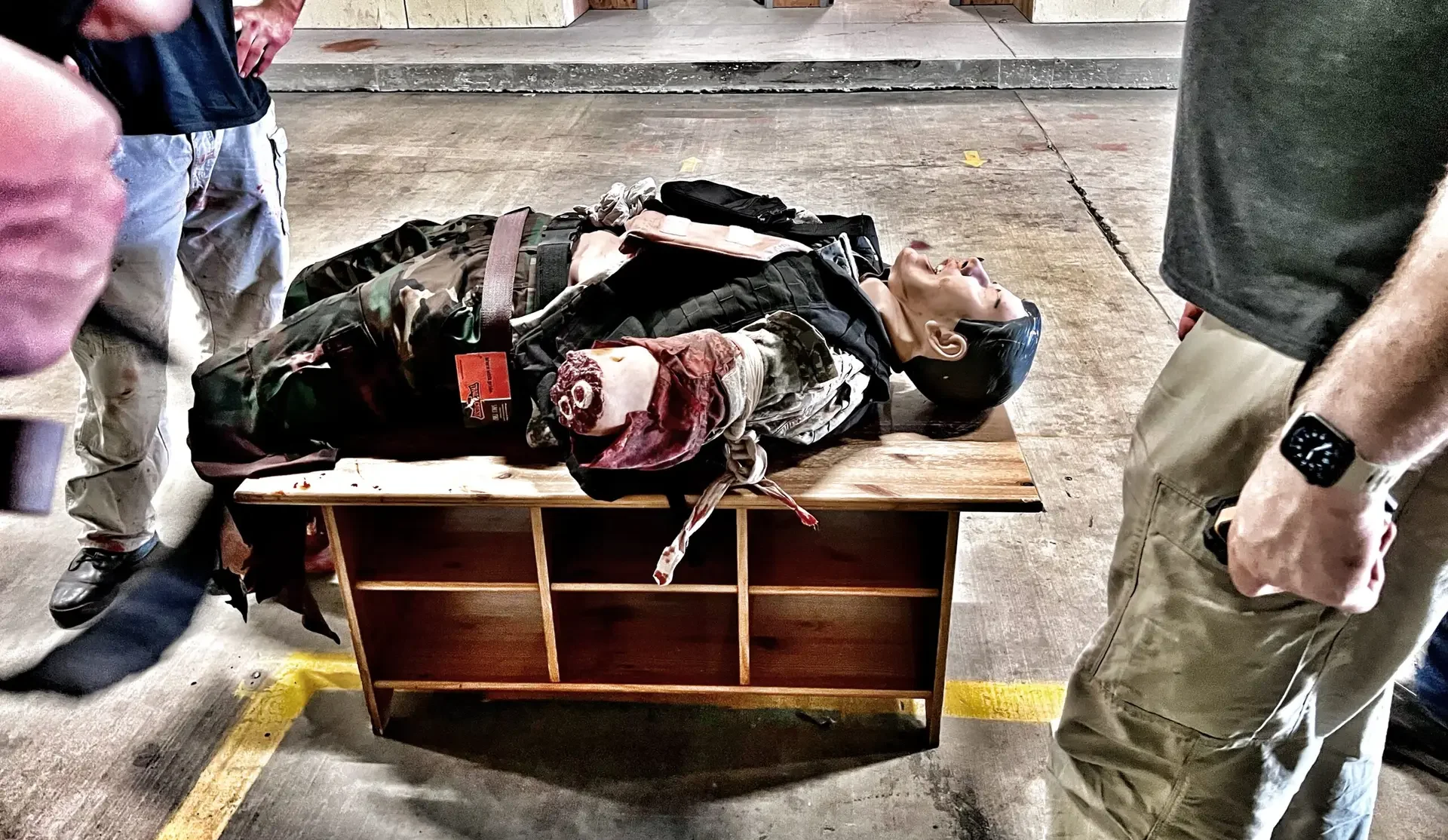
A lightweight coffee table as an improvised litter

Generally tables are going to be too heavy or awkward to use as improvised litters. However this one was quite light and portable, making it a good choice.

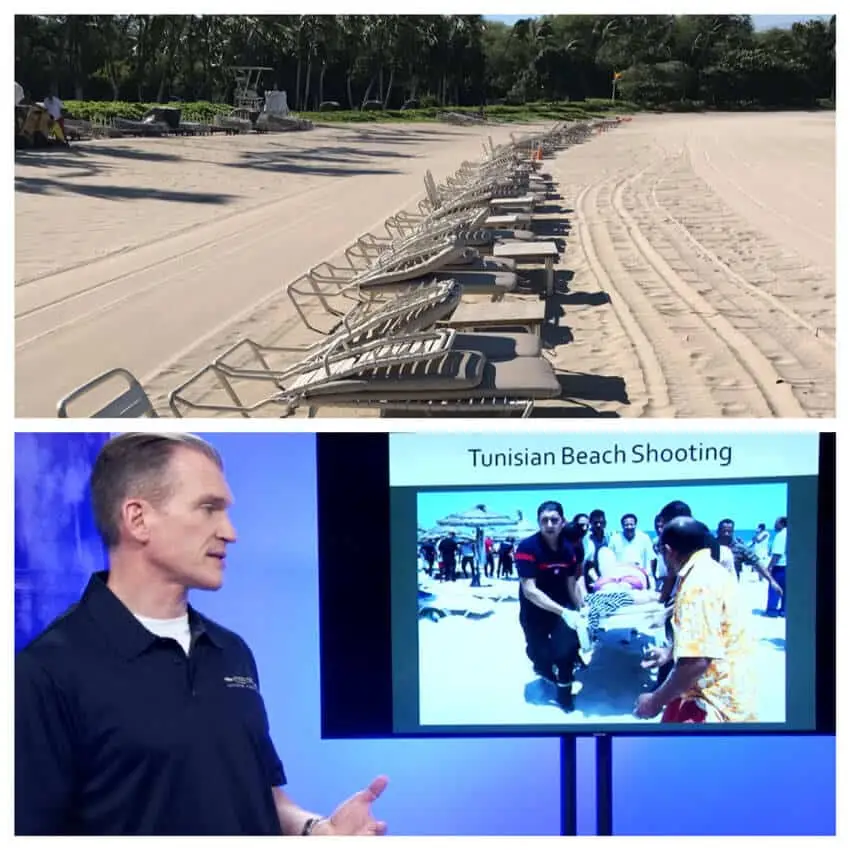
Improvised Litter: Beach Lounge Chairs

A line of beach chairs is a line of improvised litters… Hoping never to need them, but it pays to be thinking about improvisation and battlefield recovery as we move through the world.

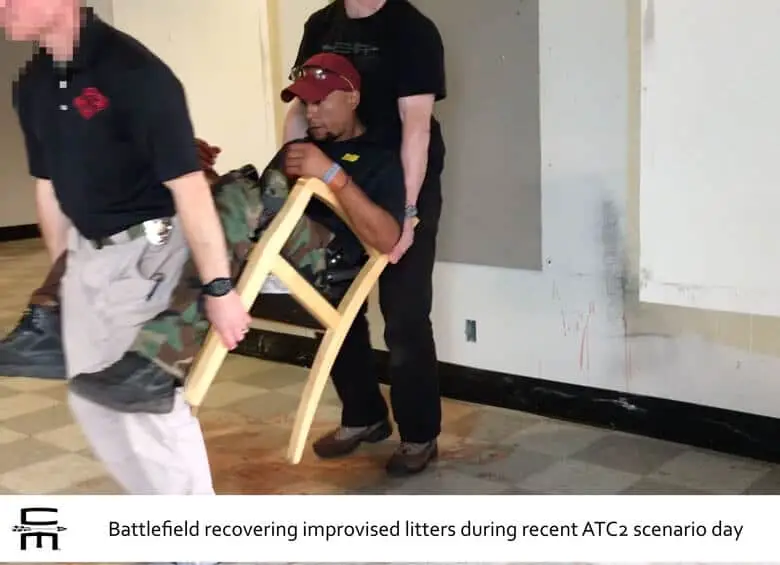
Standard chairs battlefield recovered as improvised litters

Carrying casualties is hard work. Finding something that is more ergonomic with which to carry them makes the process easier and faster. Running Tactical Casualty Care scenarios in a surprisingly well-furnished, but soon-to-be-demolished building gave us the opportunity to  battlefield recover improvised litters from classrooms and offices.

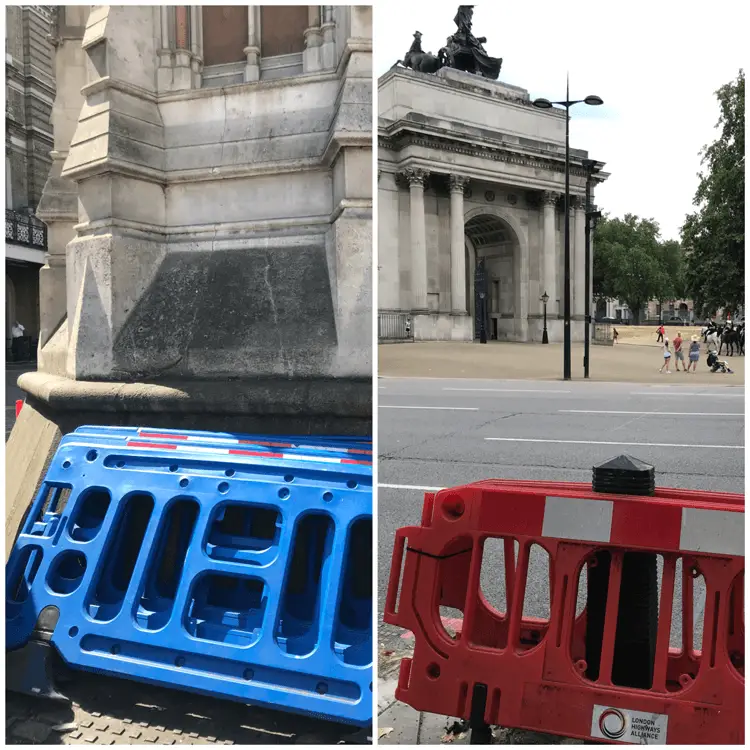
Lightweight Pedestrian Barriers are Improvised Litters

Carrying casualties is hard work. Finding something that is more ergonomic with which to carry them makes the process easier and faster. All of London seems to be under construction and these plastic barriers are staged everywhere to block sidewalks and control pedestrian movement They’d also make a fine improvised litter for carrying casualties.

Carpet to improvised litter in 60-seconds

By cutting the carpet around the casualty, leaving enough room at the head and feet for either rolling the carpet on itself or, as here, cutting hand holds in it, a casualty can be drug by one rescuer, or carried by two rescuers.

More Related Articles

Picture of Laurie Shertz

Laurie Shertz

Laurie Shertz, JD, is a former attorney with extensive experience representing clients in Federal and State courts in the Pacific Northwest and Washington, DC. Transitioning her skills from the legal field to Crisis Medicine, Laurie serves as the Chief Logistics Officer, where she oversees contracts, grant writing, website management and development, coordinates in-person training logistics, and works as a producer and editor for our online training programs. Her meticulous organizational skills and strategic mindset support the company’s mission to enhance readiness and response for treating casualties in high-risk environments. Laurie is passionate about leveraging her expertise to provide strategic support to Crisis Medicine, while ensuring smooth operations and exceptional training experiences. Laurie maintains certification as an Oregon EMR.