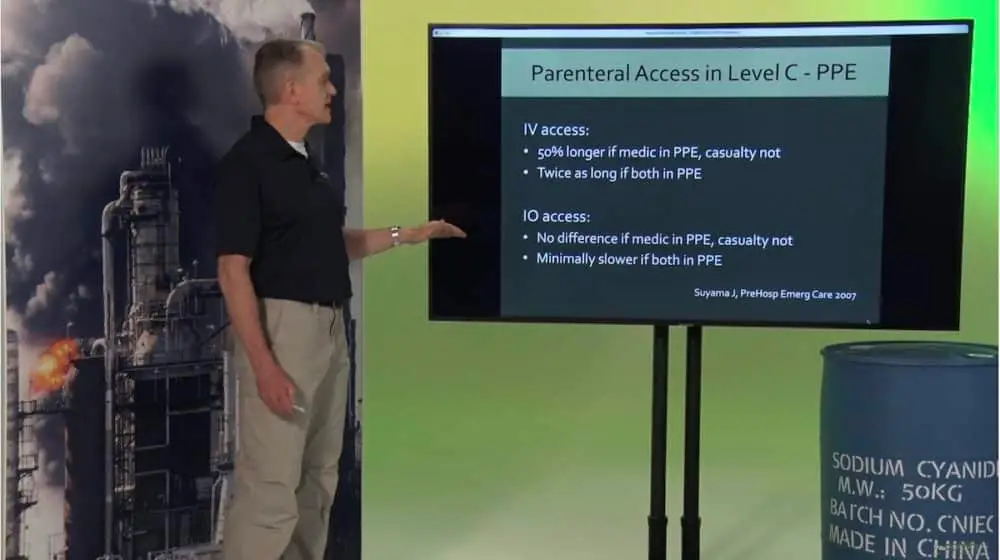
https://www.youtube.com/watch?v=XHOmBV4js_E 🕖 Reading Time, 6 minutes https://vimeo.com/669542533/c7bdc05235?ts=0&share=copy When providing medical treatment to CBRN casualties, to save lives, initial treatment will need to be conducted before formal decontamination can be completed. These procedures, performed in a “dirty casualty collection point,” will …
The use of chemical warfare agents is not only relegated to WWI: The US Department of Homeland Security – FEMA, Co-TCCC, are both currently working on chemical warfare/agent casualty management guidelines, and the Committee for Tactical Emergency Casualty Care published guidelines on 16 August 2021. With the offensive use of chlorine, sulfur mustard, and nerve agents in Syria & Iraq over the last several years, chemical warfare is a current problem. These articles are written for professionals who may be called up on to treat casualties who are both chemically contaminated and traumatically wounded.
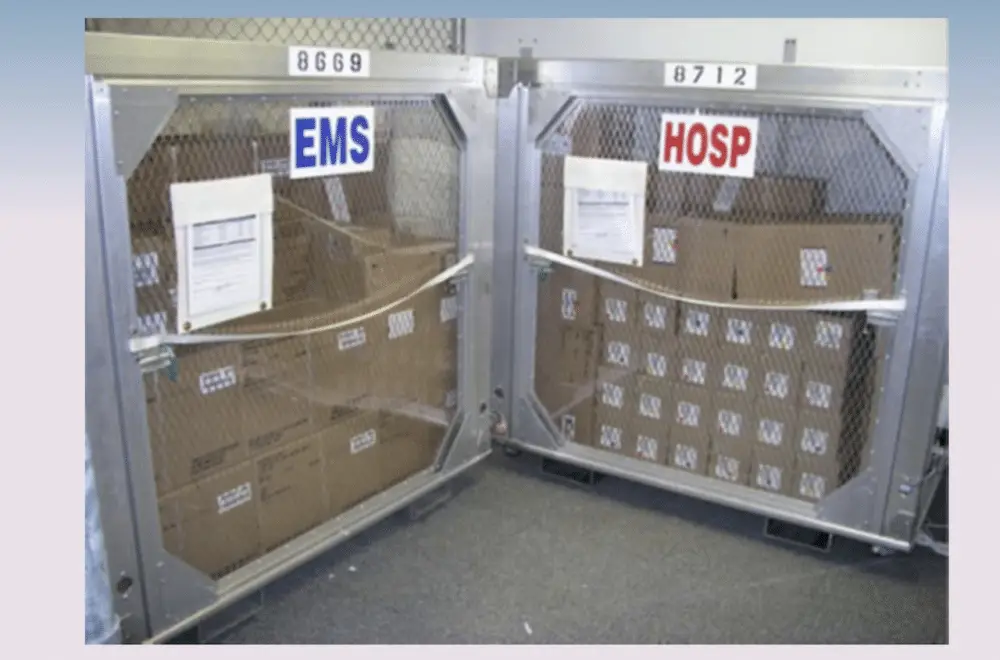
Researched and written by Mike Shertz, MD/18D, not AI 🕖 Reading Time, 3 minutes The Strategic National Stockpile was created in 1999 as a source to store and distribute medical countermeasures in case of a national emergency. It was structured …
🕖 Reading Time, 3 minutes Researched and written by Mike Shertz, MD/18D, not AI Salisbury, 2018: A Nerve Agent on a Front Door Handle On March 4, 2018, in Salisbury, England, former Russian Military Intelligence officer Sergei Skripal and his …
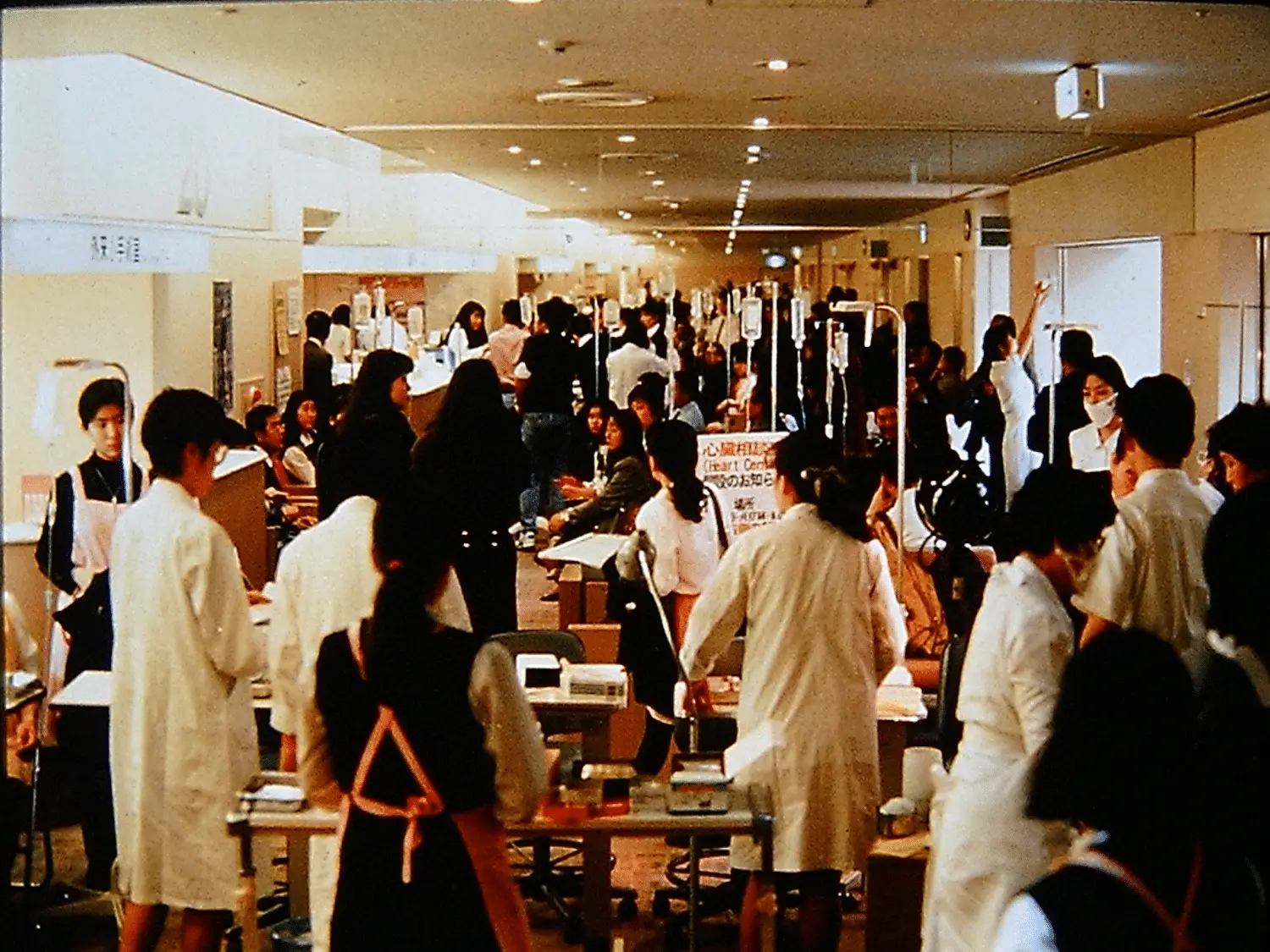
🕖 Reading Time, 5 minutes On March 20,1995, in Tokyo, Japan, a “doomsday cult” called Aum Shinrikyo manufactured and deployed 10 liters of dilute sarin nerve agent in the Tokyo subway system. At that time, the Tokyo subway system was …
🕖 Reading Time, 9 minutes The use of chemical warfare agents is not only relegated to WWI: The US Department of Homeland Security – FEMA, Co-TCCC, are both currently working on chemical warfare/agent casualty management guidelines, and the Committee for Tactical Emergency …
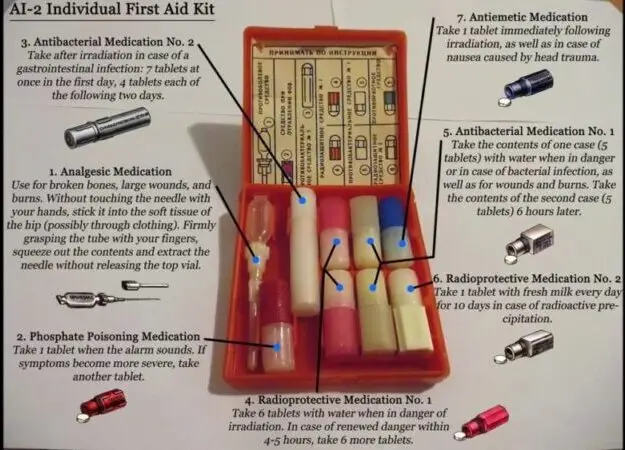
🕖 Reading Time, 5 minutes The AI-2 “aptechka” was an individual CBRN kit issued by the USSR for Civil Defense beginning in the late 1970s in a chemical, biological, radiological, or nuclear attack. Aptechka, (аптечка) loosely translated means first-aid kit. …