Showing 31-36 of 40 results
MARCH: Massive Hemorrhage, Airway, Respiration, Circulation, Hypothermia Prevention
The easy to remember mnemonic MARCH reminds us of the priorities in treating casualties during TECC and TCCC situations. MARCH provides a framework to address immediate life threats and gives an organized approach to begin a casualty evaluation. The MARCH mnemonic is preferable to the ABCDE model because it takes into consideration the reason you need an airway and to be breathing is to circulate blood to the casualty’s brain. Recognizing that, the first step in our casualty evaluation should be to look for massive hemorrhage.
Once past massive hemorrhage, A-R-C is loosely approximated by A-B-C. H- is a reminder that a large number of traumatic casualties arrive at the emergency department or medical treatment facility hypothermic which dramatically increases their death rate.
The MARCH mnemonic can be applied to any patient, as the initial casualty evaluation usually rules out massive hemorrhage.
They may look like legitimate commercial versions but counterfeits are not made to the same quality standard. Know your gear. Researched and written by Mike Shertz, MD/18D, not AI 🕖 Reading/viewing Time, 7 minutes UPDATE: Fifty counterfeit CAT like tourniquets …
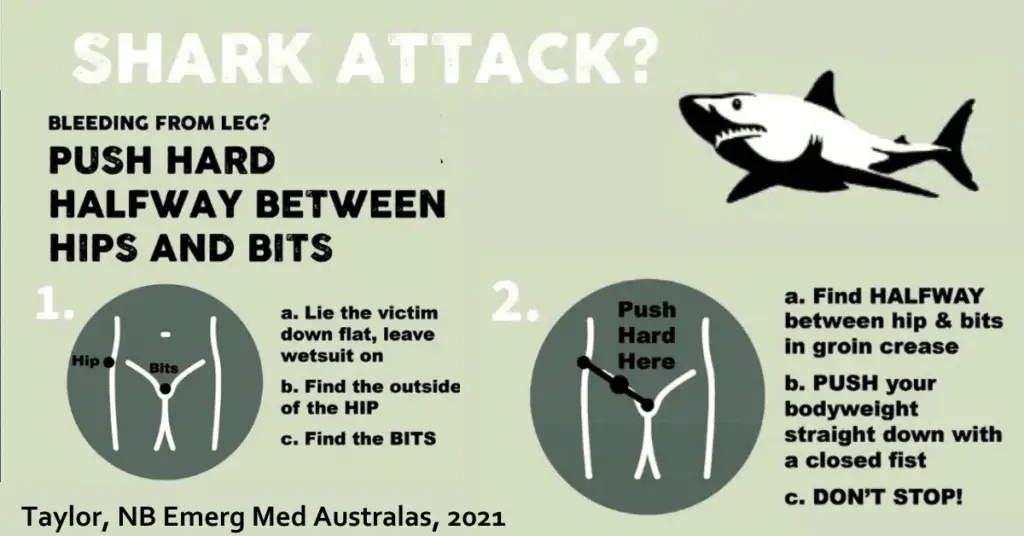
🕖 Reading Time, 4 minutes Manual inguinal compression of the vasculature can work to occlude distal arterial blood flow. It may not constantly occlude during the entire time the rescuer is applying pressure and might require “readjustment” of the rescuer’s …
No Emergency Department is fully prepared and stocked to manage 41 trauma casualties arriving in 45 minutes following a mass casualty incident (MCI) or active violent incident (AVI) as happened at Christchurch Hospital in New Zealand in 2019. 🕖 Reading …
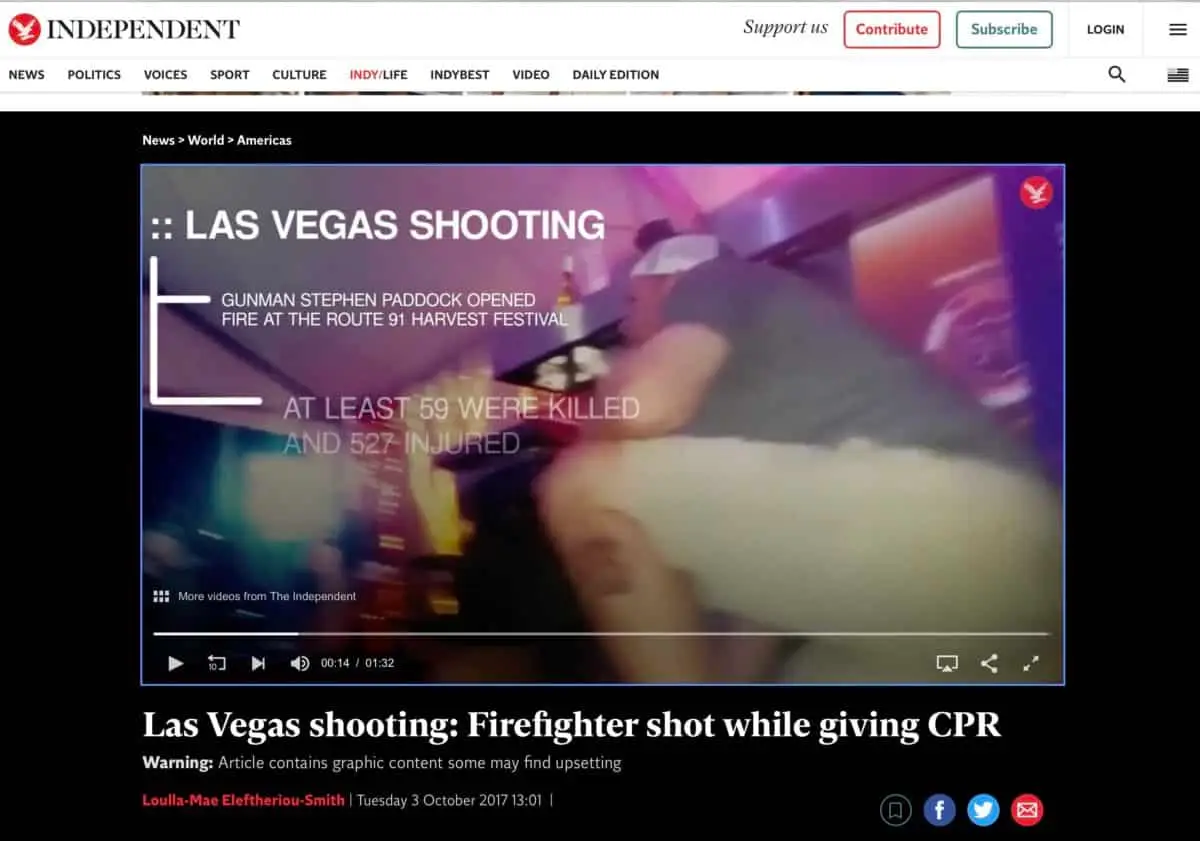
UPDATE: Is trying to resuscitate trauma patients with prehospital cardiac arrest futile? Researched and written by Mike Shertz, MD/18D, not AI 🕖 Reading Time, 8 minutes Conventional wisdom was that it was futile because the expectation of survival was too …
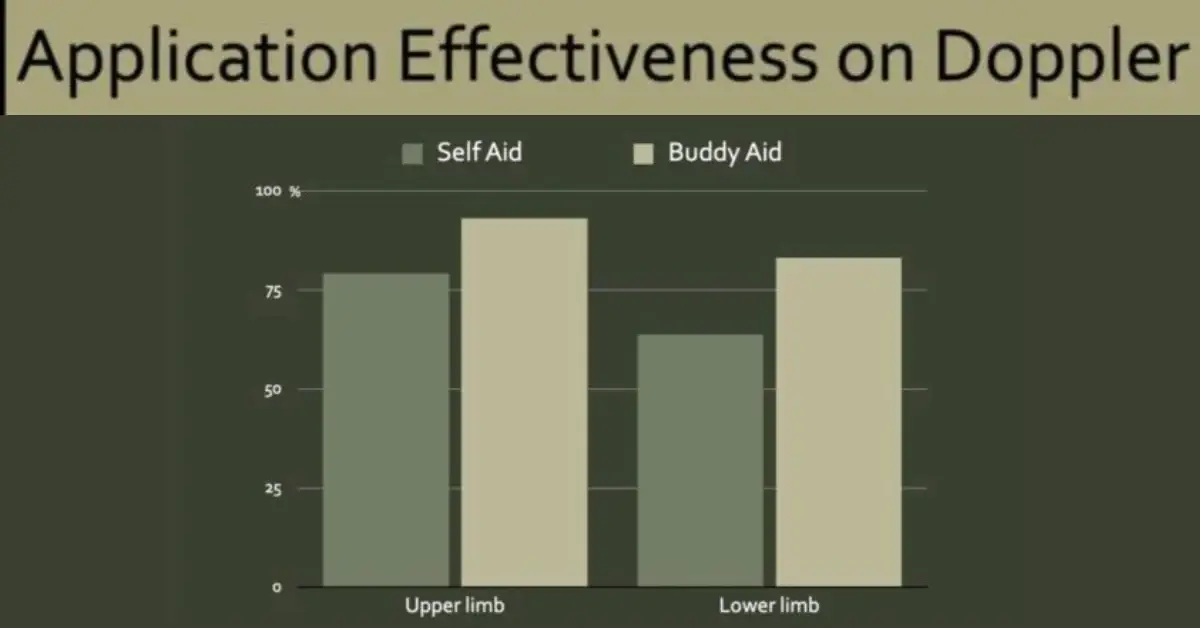
There is a long-held belief among military medics that casualties who self-apply their own tourniquets typically put them on looser than they would on someone else. This led to a standard SF medic technique of always giving the windlass of …
🕖 Reading Time, 2 minutes A fist hand account: “I witnessed a motorcycle accident while on patrol. After checking for massive hemorrhage (M), I continued to assess the patient and realized he had an obstructed airway (A), so I applied …