Showing 25-30 of 40 results
MARCH: Massive Hemorrhage, Airway, Respiration, Circulation, Hypothermia Prevention
The easy to remember mnemonic MARCH reminds us of the priorities in treating casualties during TECC and TCCC situations. MARCH provides a framework to address immediate life threats and gives an organized approach to begin a casualty evaluation. The MARCH mnemonic is preferable to the ABCDE model because it takes into consideration the reason you need an airway and to be breathing is to circulate blood to the casualty’s brain. Recognizing that, the first step in our casualty evaluation should be to look for massive hemorrhage.
Once past massive hemorrhage, A-R-C is loosely approximated by A-B-C. H- is a reminder that a large number of traumatic casualties arrive at the emergency department or medical treatment facility hypothermic which dramatically increases their death rate.
The MARCH mnemonic can be applied to any patient, as the initial casualty evaluation usually rules out massive hemorrhage.
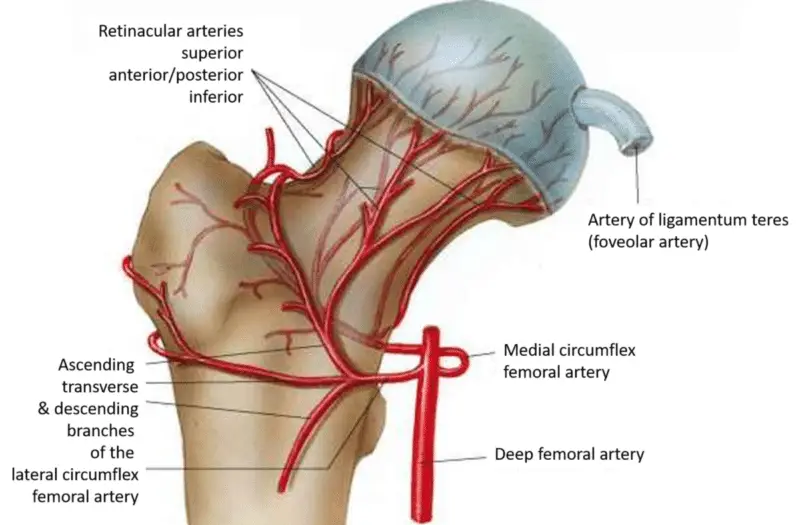
BLUF:* Isolated closed femur fractures are extremely rare, the internal thigh bleeding can be substantial, but tourniquet application in these closed injuries is not likely to help. Researched and written by Mike Shertz, MD/18D, not AI 🕖 Reading Time, 4 minutes …
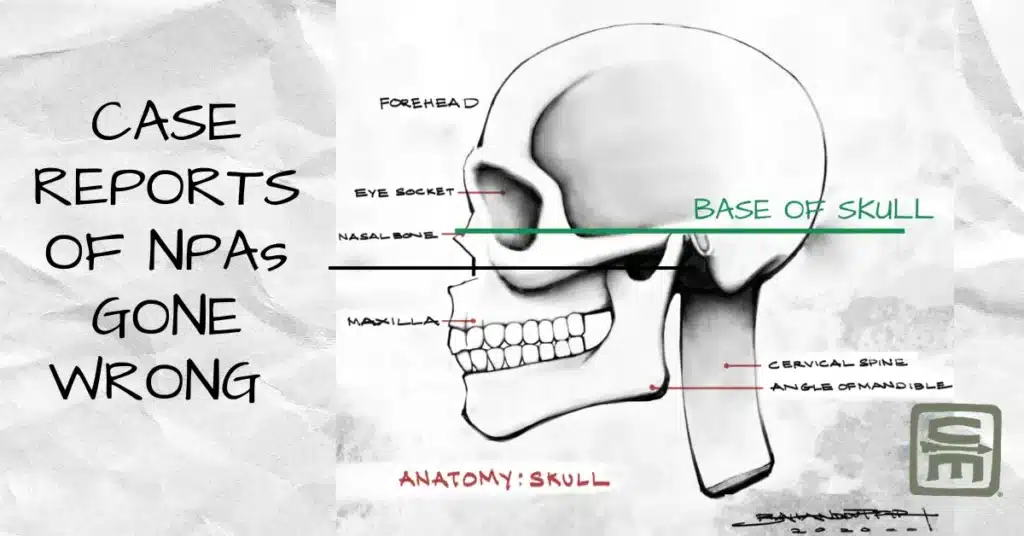
There has been recent discussion about the rarity of significant complications from nasopharyngeal airway (NPA) placement. Many chalk the cases of inadvertent intracranial placement as essentially “something that never happens.” 🕖 Reading Time, 6 minutes Researched and written by Mike …
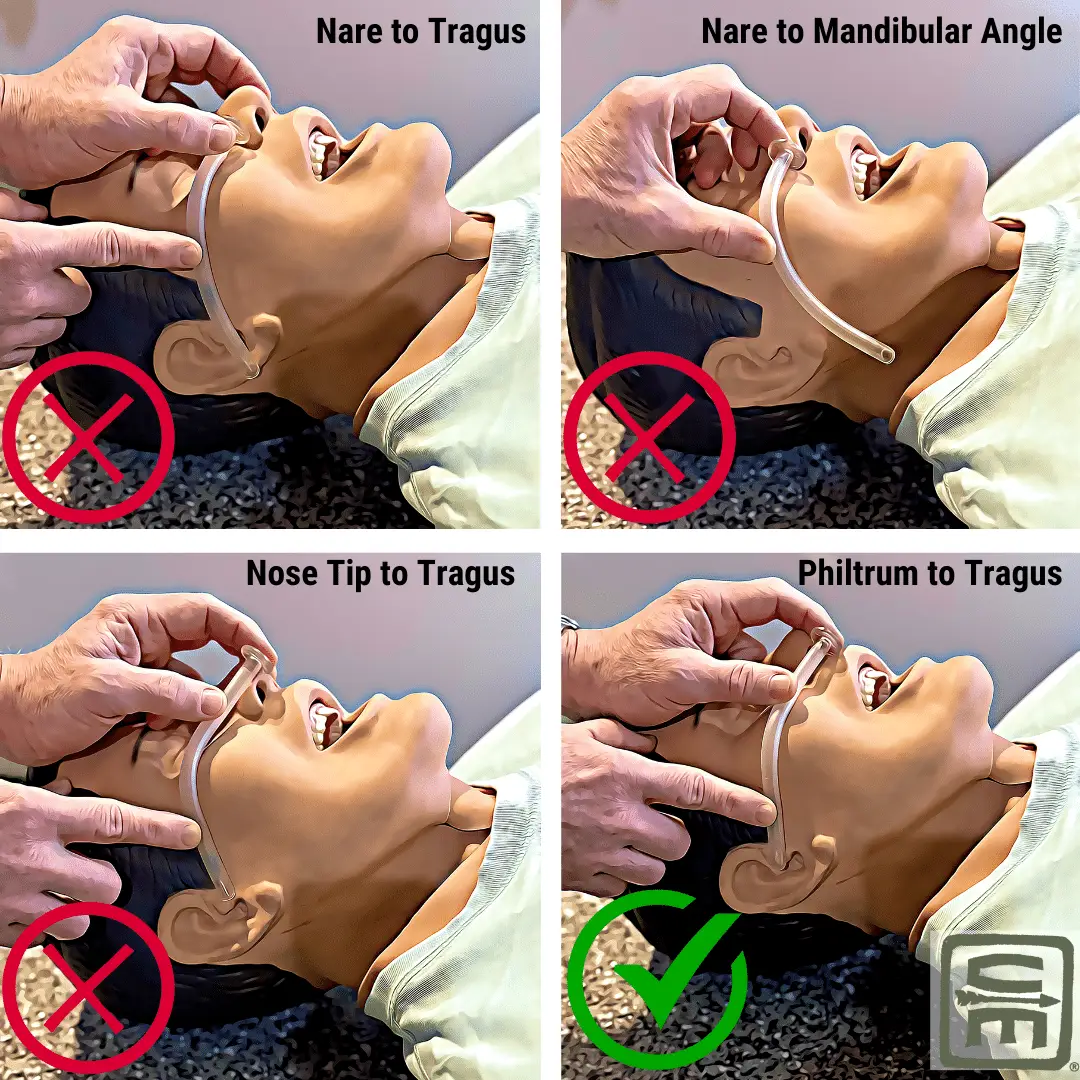
The ability of a nasal pharyngeal airway (NPA) to maintain a patent airway is dependent on both the NPA’s internal diameter and length. 🕖 Reading Time, 7 minutes Researched and written by Mike Shertz, MD/18D, not AI Proper placement of …
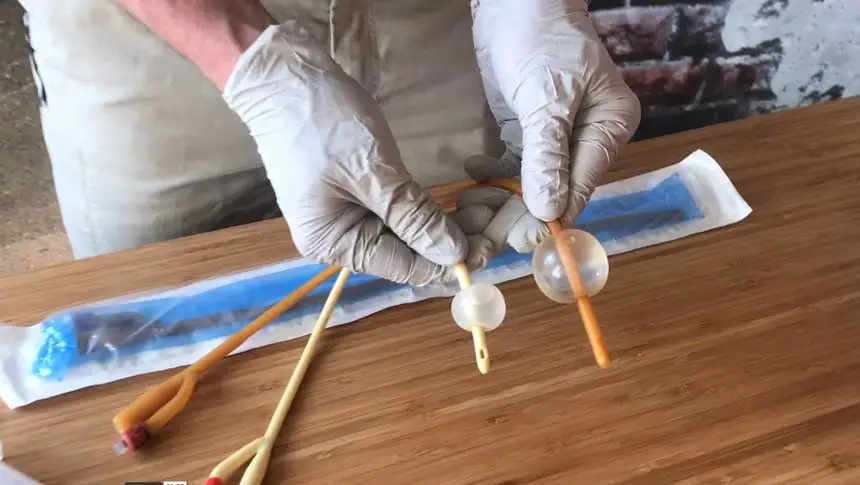
…many different ways to manage these wounds, this is one technique using a Foley Catheter (designed for urine drainage) to tamponade bleeding. It is best studied in neck wounds. This…
🕖 Reading Time, 7 minutes In support of our daughter’s experience at a local Girl Scout camp, we agreed to help rewrite the curriculum for their “Rainbow Progression” program of outdoor skills to ensure kids can be prepared. The program …
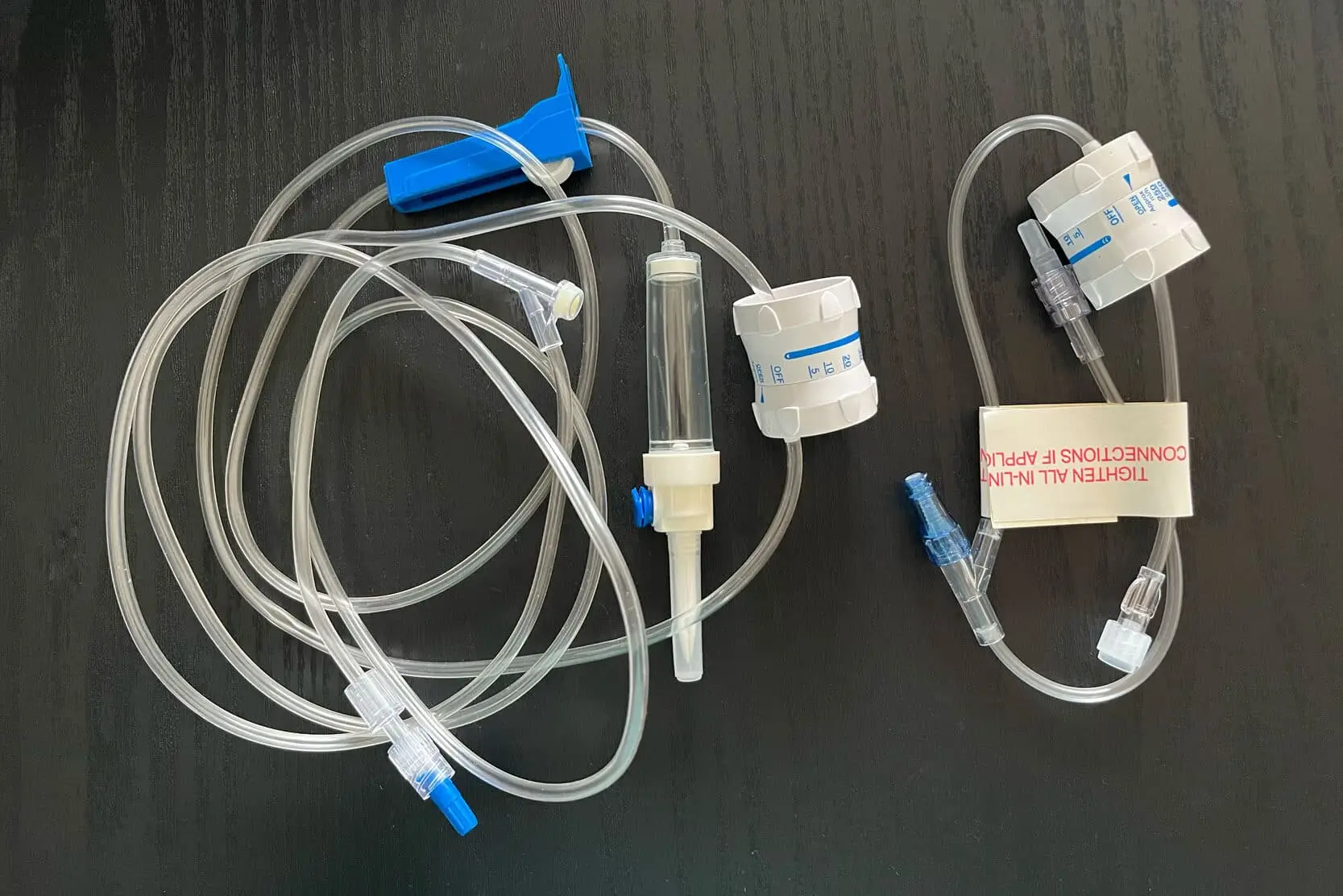
BLUF: The Dial-A-Flow IV regulating device is a cheap, lightweight, and easy option for administering IV infusions when traditional IV pumps aren’t available. Although it’s accuracy to deliver the exact volume of IV fluid desired can be + / – …