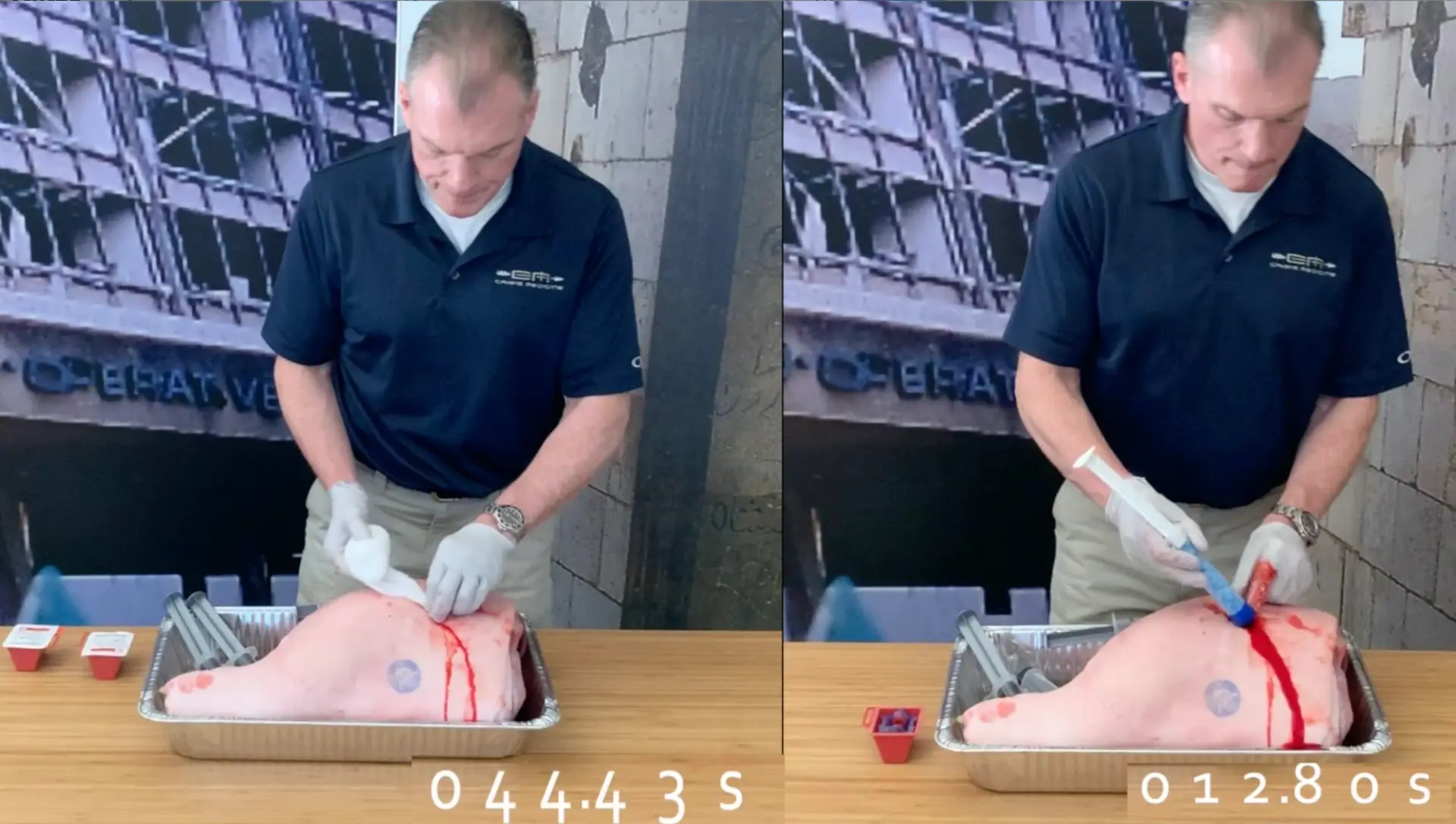

The term “junctional hemorrhage” refers to injuries and bleeding occurring at the transition zones between the extremities and the torso. 🕖 Reading Time, 4 minutes Researched and written by Mike Shertz, MD/18D, not AI The term first appeared in the …
Massive hemorrhage is the leading cause of preventable death from injuries.
How much blood loss is too much?
In December 1970, the US military published data on 7,800 soldier and Marine casualties from the conflict in Vietnam. In that data, specifically 10% of combat fatalities were from extremity hemorrhage. This dataset would later form the first TCCC guidelines in 1996. With the widespread adoption of tourniquets by the US. Military in the early 21st Century, death from massive extremity hemorrhage is now unusual in combat. This improvement has lead to greater awareness of massive hemorrhage from “junctional areas” like the neck, axilla/armpit, and groin, areas not amenable to circumferential tourniquet placement. To be facile at controlling massive hemorrhage, wound packing is a needed but often neglected skill set.
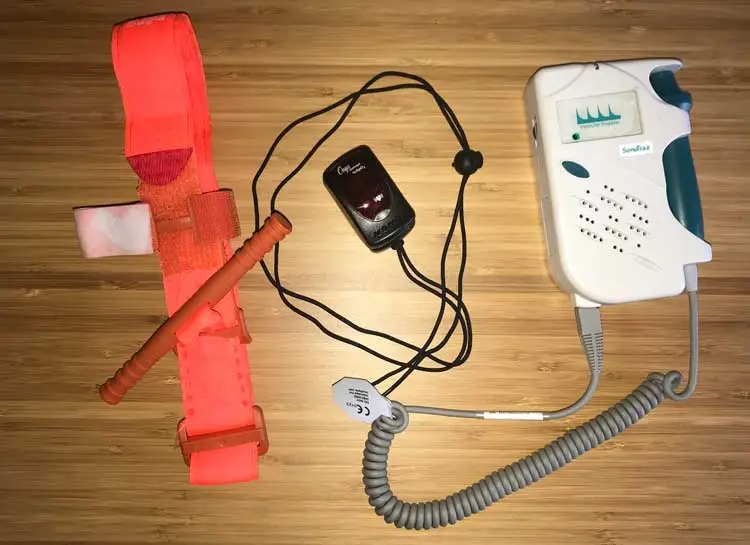
Researched and written by Mike Shertz, MD/18D, not AI 🕖 Reading Time, 5 minutes BLUF* Is there a role for using a fingertip pulse oximeter as a training tool for tourniquet placement? We believe the answer is no. Considering the relative …
Researched and written by Mike Shertz, MD/18D, not AI 🕖 Reading Time, 3 minutes When Deputy Just responded to a call regarding gunfire, she didn’t know there was a victim until she heard the 911 operator giving care instructions to …
🕖 Reading Time, 1 minutes Kerlix Gauze packing can generate up to 197 mmHg at the bottom of the wound and 45 mmHg on the sides. Xstat can generate 156 mmHg and 123 mmHg respectively. Although it’s unclear XSTAT is …
Recon Medical tourniquets look like a CAT and cost less. There is no human efficacy data behind them, and a jury found the patents infringed.
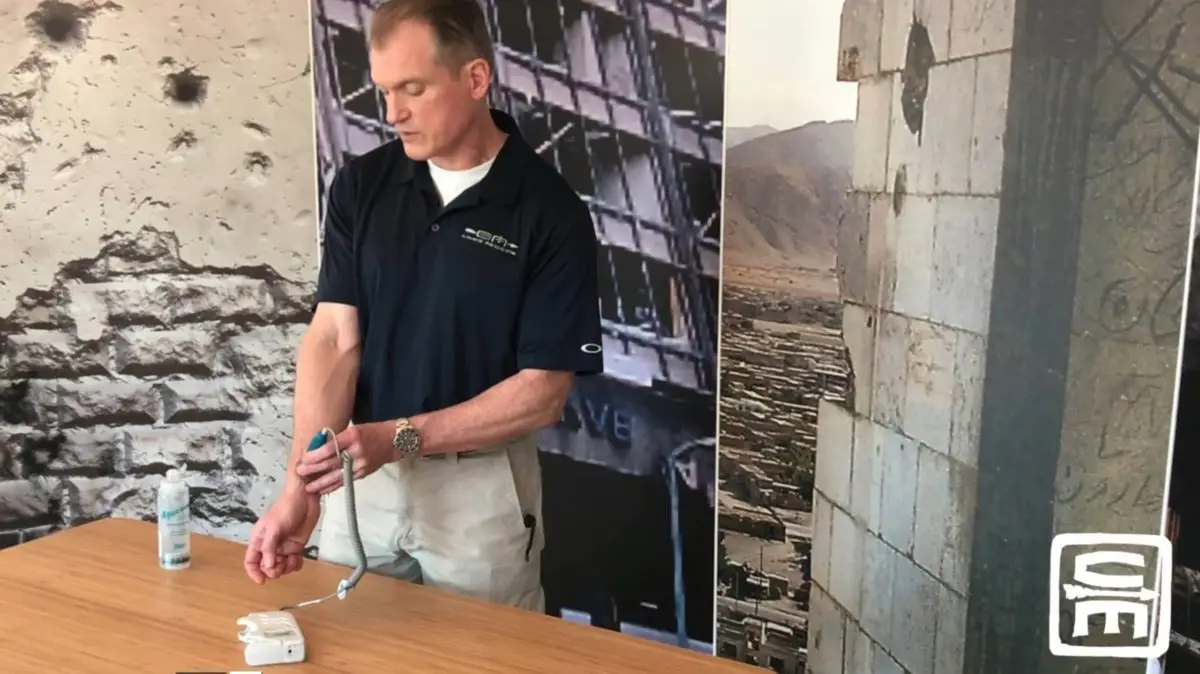
🕖 Reading Time, 3 minutes A doppler ultrasound is a non-invasive device that uses high-frequency sound waves to estimate the amount of blood flow through your arteries and veins, usually those that supply blood to your arms and legs. A …