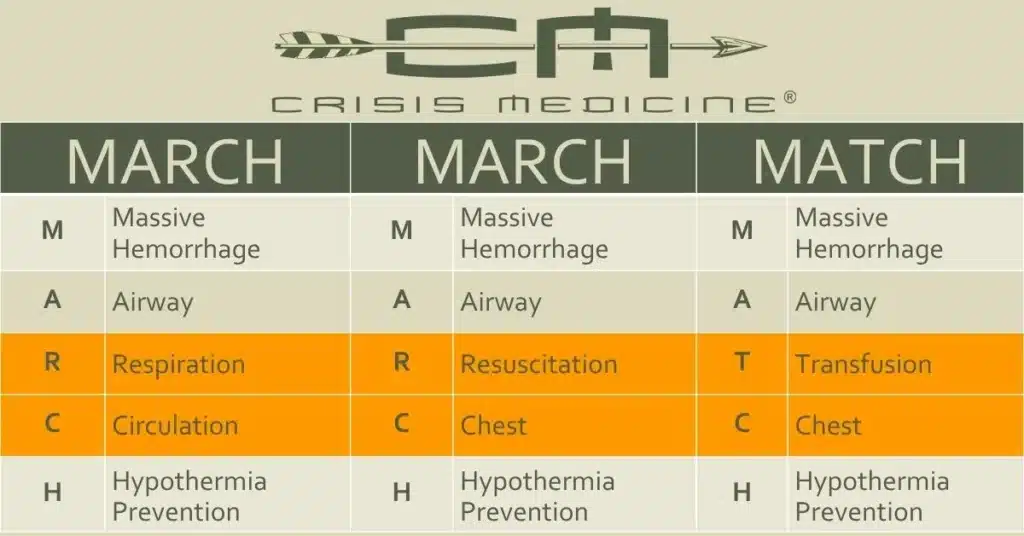
Co-TCCC considered changing the MARCH mnemonic to include resuscitation, or more specifically transfusion. Researched and written by Mike Shertz, MD/18D, not AI 🕖 Reading Time, 4 minutes In 2025, with the widespread use of blood started prehospital to resuscitate US …
In our MARCH mnemonic, circulation essentially asks the question: is this patient in shock?
The preshopsital management of hypovolemic shock, without the ability to provide blood products is limited. Historically, there are a variety of clinical indicators and management strategies for hypovolemic shock; their accuracy and successes are highly variable.
Researched and written by Mike Shertz, MD/18D, not AI 🕖 Reading Time, 9 minutes Although the ideal fluid for resuscitation of trauma patients is blood, in most austere and tactical settings, particularly outside of military Special Operations, IV crystalloids are …
A growing body of literature shows EtCO2 levels closely and inversely correlate with venous lactate, a marker of anaerobic metabolism. BLUF: Operationally, if your trauma patient has an EtCO2 <35 mmHg, they have a significant risk for occult shock, a …
Researched and written by Mike Shertz, MD/18D, not AI 🕖 Reading Time, 5 minutes To truly understand a casualty’s respiratory status, a provider needs to know both their hemoglobin oxygen saturation, which is easily measured with pulse oximetry, and exhaled …
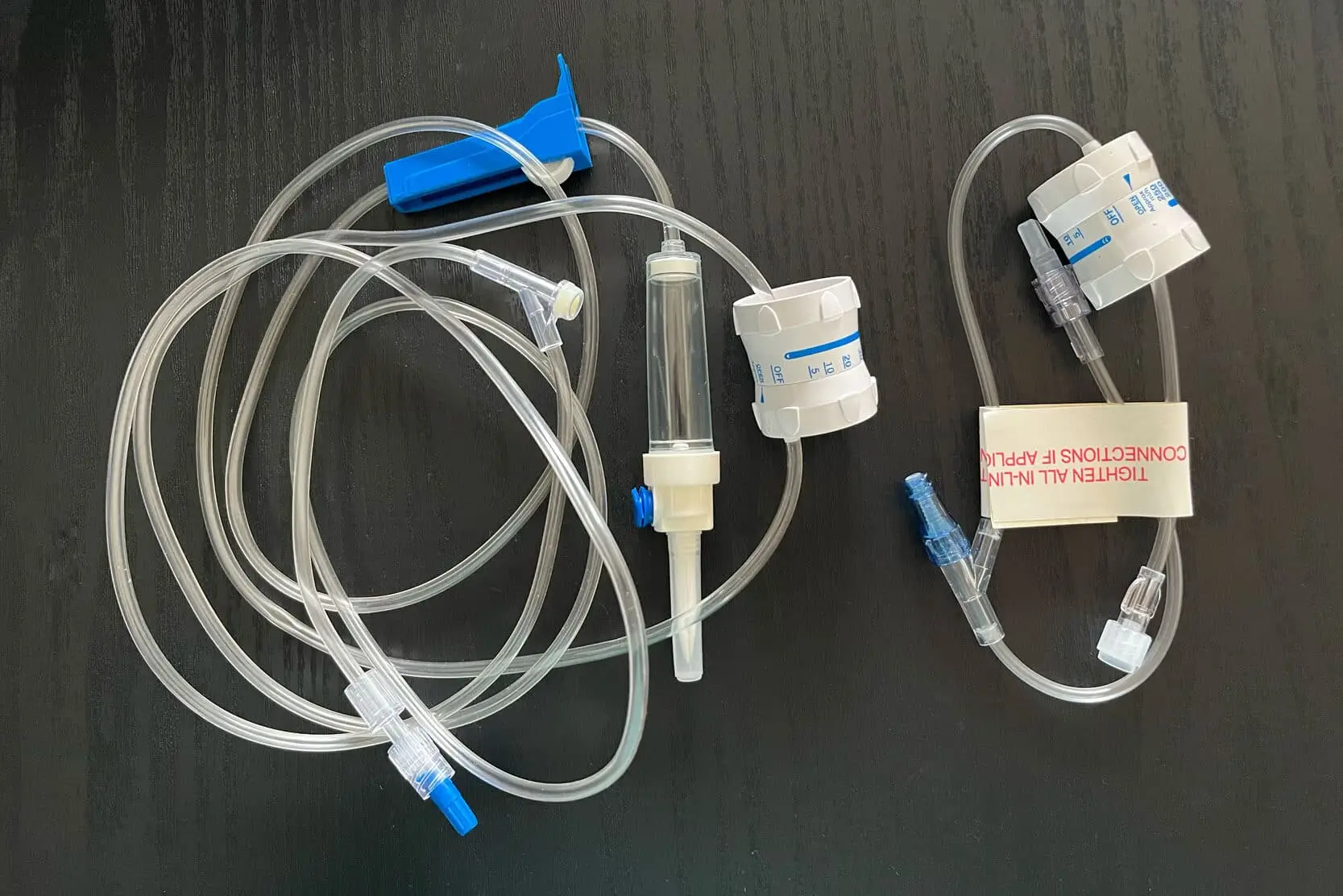
BLUF: The Dial-A-Flow IV regulating device is a cheap, lightweight, and easy option for administering IV infusions when traditional IV pumps aren’t available. Although it’s accuracy to deliver the exact volume of IV fluid desired can be + / – …
UPDATE: Is trying to resuscitate trauma patients with prehospital cardiac arrest futile? Researched and written by Mike Shertz, MD/18D, not AI 🕖 Reading Time, 8 minutes Conventional wisdom was that it was futile because the expectation of survival was too …