A growing body of literature shows EtCO2 levels closely and inversely correlate with venous lactate, a marker of anaerobic metabolism. BLUF: Operationally, if your trauma patient has an EtCO2 <35 mmHg, they have a significant risk for occult shock, a …
In our MARCH mnemonic, circulation essentially asks the question: is this patient in shock?
The preshopsital management of hypovolemic shock, without the ability to provide blood products is limited. Historically, there are a variety of clinical indicators and management strategies for hypovolemic shock; their accuracy and successes are highly variable.
Researched and written by Mike Shertz, MD/18D, not AI 🕖 Reading Time, 5 minutes To truly understand a casualty’s respiratory status, a provider needs to know both their hemoglobin oxygen saturation, which is easily measured with pulse oximetry, and exhaled …
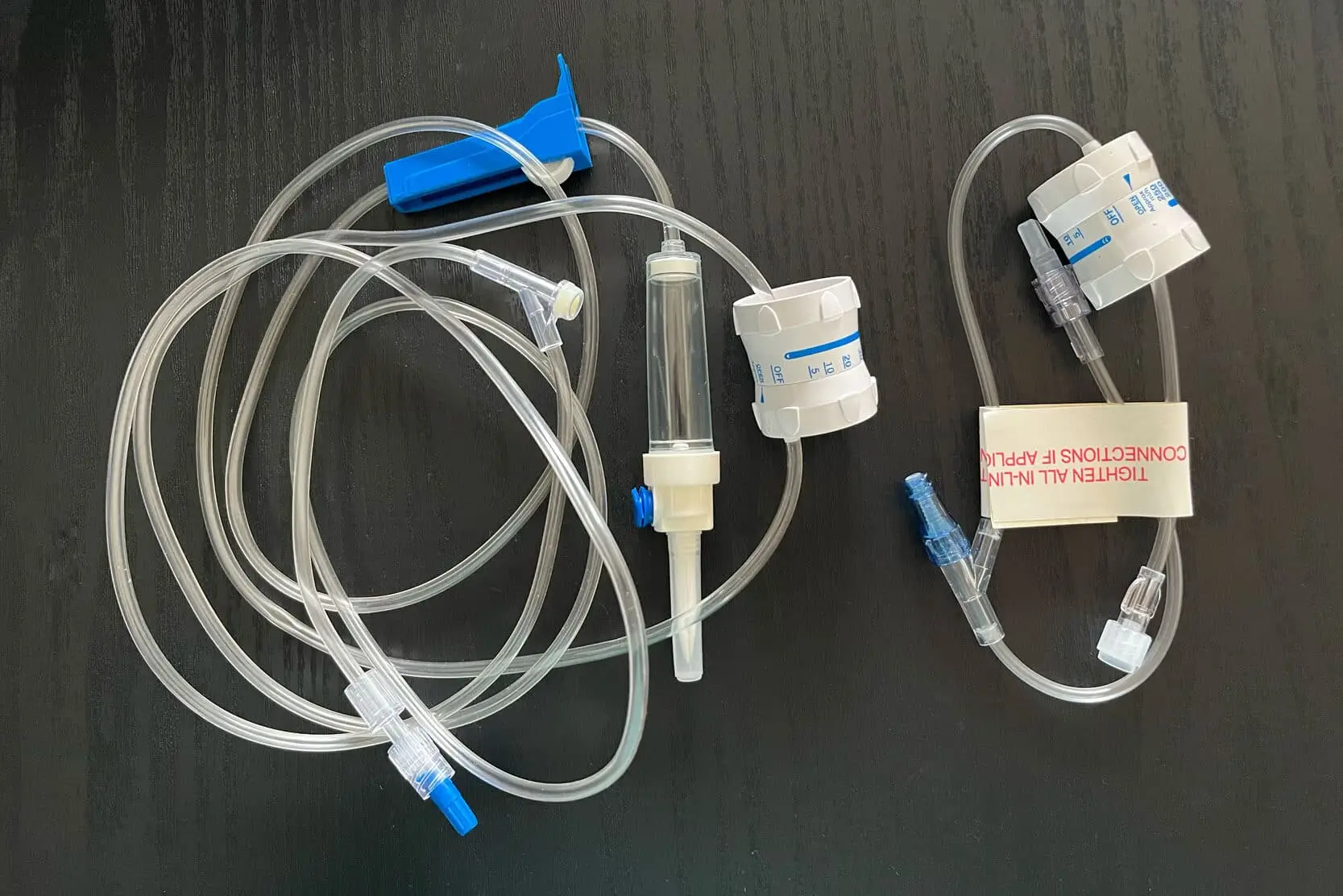
BLUF: The Dial-A-Flow IV regulating device is a cheap, lightweight, and easy option for administering IV infusions when traditional IV pumps aren’t available. Although it’s accuracy to deliver the exact volume of IV fluid desired can be + / – …
UPDATE: Is trying to resuscitate trauma patients with prehospital cardiac arrest futile? Researched and written by Mike Shertz, MD/18D, not AI 🕖 Reading Time, 8 minutes Conventional wisdom was that it was futile because the expectation of survival was too …
🕖 Reading Time, 6 minutes BLUF: “Normal” values vary by age, gender, temperature (both environmental and casualty’s), and lighting conditions. Different providers will see different durations of refill time. With all these adjustments and limitations of how normal is defined, …
🕖 Reading Time, 3 minutes Typically, intra-osseous access is performed either in the proximal humerus or proximal tibia in the civilian setting and sternally in the military. A recent study of 2016 US prehospital IO placements in adult out-of-hospital cardiac …