It is infrequent that you need to manage an airway in a high-risk environment: Learn to spot when you should.

This 3-minute excerpt is from the Crisis Medicine Tactical Casualty Care Airway block in the online course. When should you manage an airway? Watch to find out. (Click photo for video)

The full lecture in the TC2 course includes the entire remainder of the MARCH pneumonic: Airway, Respiration, Circulation, and Hypothermia Prevention

  • Learn to recognize the indications of an airway problem and the infrequent need to manage it in a high-risk environment.
  • Understand penetrating chest trauma and “sucking chest wounds.”
  • Recognize tension pneumothorax, which is a preventable cause of death from injury.
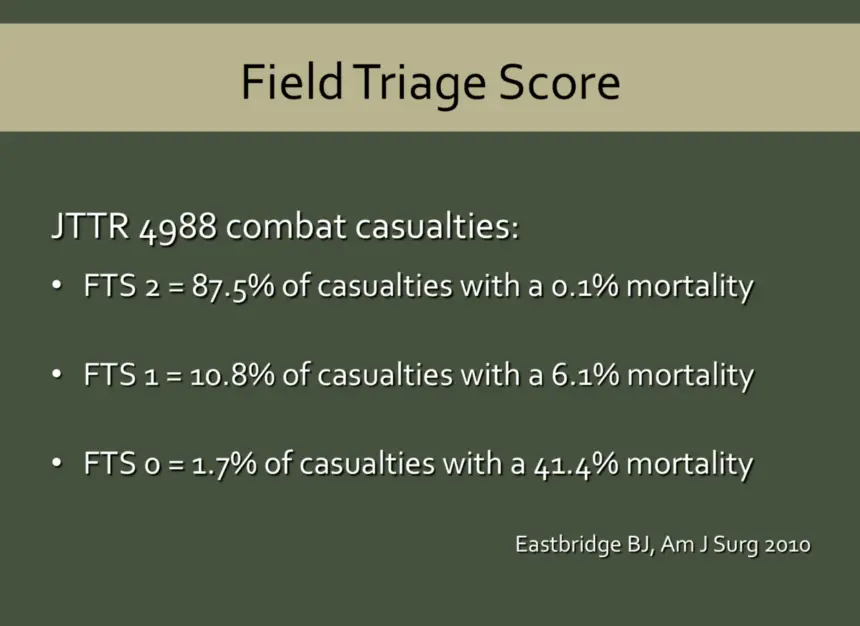
  • For circulation, learn to use a radial pulse and ability to follow commands to help sort the injured.

Expand your knowledge: Free Articles

Why Do Traditional Triage Systems Fail in Actual Events?

Reviews of most mass casualty events have shown that rarely is a preplanned triage system actually used in the event. Triage is a French word for sorting. Although there are many systems to help first responders triage casualties into categories of those who need treatment now versus those who can wait, it is very challenging to use most of those systems in chaotic and dangerous environments like mass casualty events. See a simple solution on the blog

 

You’ll receive another email tomorrow, or you can see the next lesson now: