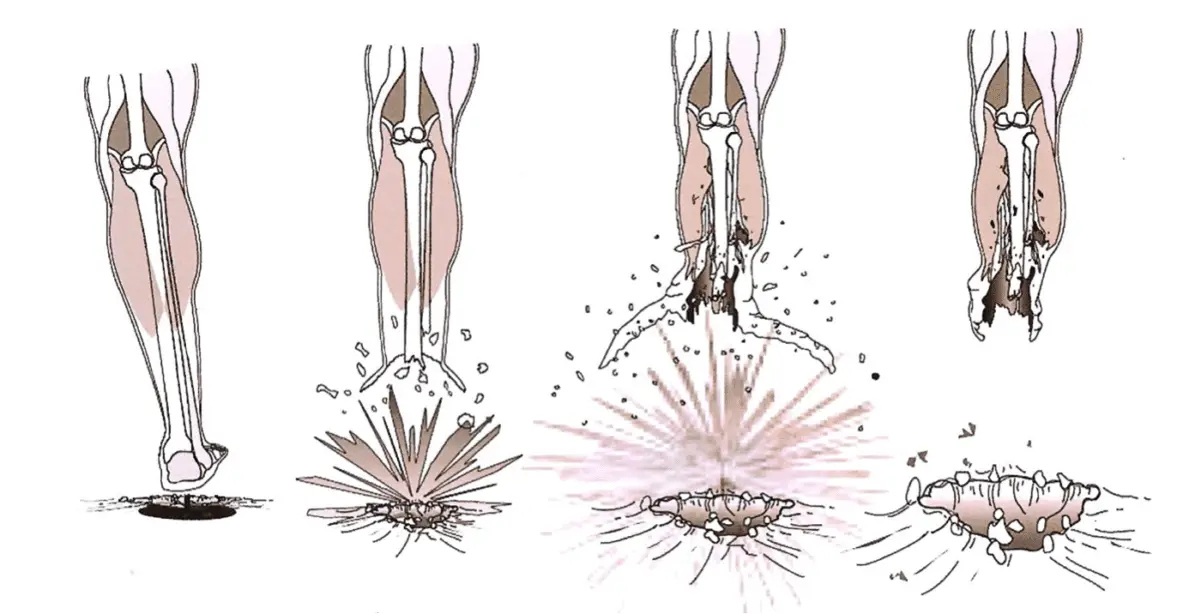
That’s not🕖 Reading Time, 4 minutes Researched and written by Mike Shertz, MD/18D, not AI When a casualty steps on a blast mine or is very close to an explosive charge, the explosive force travels up the leg/limb of the …

The easy to remember mnemonic MARCH reminds us of the priorities in treating casualties during TECC and TCCC situations. MARCH provides a framework to address immediate life threats and gives an organized approach to begin a casualty evaluation. The MARCH mnemonic is preferable to the ABCDE model because it takes into consideration the reason you need an airway and to be breathing is to circulate blood to the casualty’s brain. Recognizing that, the first step in our casualty evaluation should be to look for massive hemorrhage.
Once past massive hemorrhage, A-R-C is loosely approximated by A-B-C. H- is a reminder that a large number of traumatic casualties arrive at the emergency department or medical treatment facility hypothermic which dramatically increases their death rate.
The MARCH mnemonic can be applied to any patient, as the initial casualty evaluation usually rules out massive hemorrhage.
That’s not🕖 Reading Time, 4 minutes Researched and written by Mike Shertz, MD/18D, not AI When a casualty steps on a blast mine or is very close to an explosive charge, the explosive force travels up the leg/limb of the …
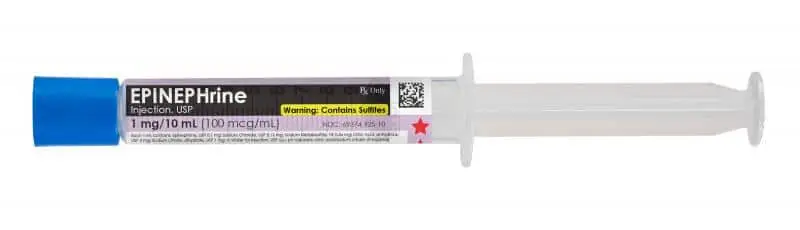
BLUF*: Hypotensive trauma patients need the cause of their hypotension fixed: whether that is aggressive hemorrhage control, administration of blood products, or needle decompression for tension pneumothorax. IVF is a very temporary fix; blood products would be better. Push dose …
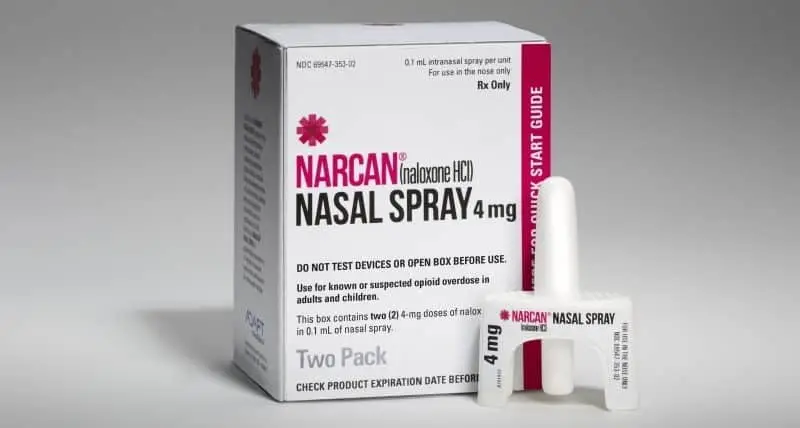
🕖 Reading Time, 4 minutes In 2002, 40 to 50 heavily armed Chechens stormed the Dubrovka Theater in Moscow, taking 850 hostages. Ultimately Russian FSB retook the theater after deploying an “unknown” gas which rendered everyone in the theater unconscious. …
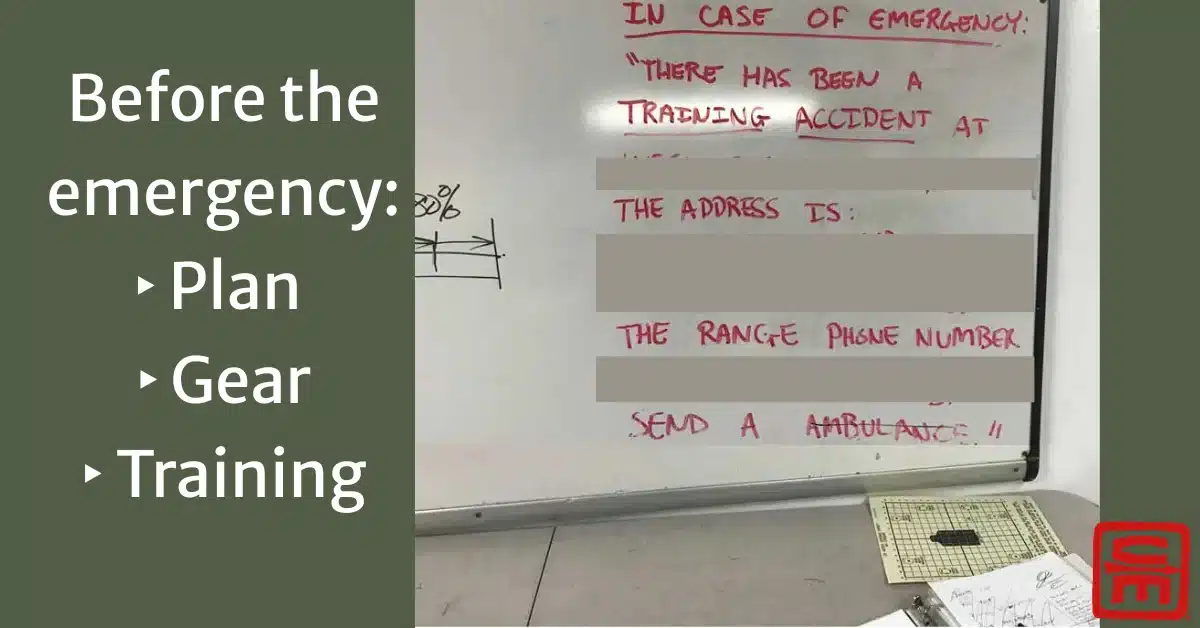
🕖 Reading Time, 3 minutes Researched and written by Mike Shertz, MD/18D, not AI While helping teach a class with InSights Training Center at West Coast Armory Indoor Range, I was really impressed to see they posted emergency instructions in …
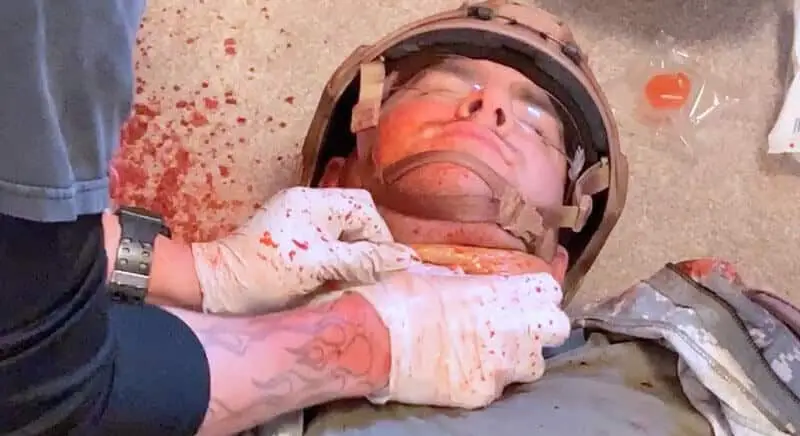
The term “junctional hemorrhage” refers to injuries and bleeding occurring at the transition zones between the extremities and the torso. 🕖 Reading Time, 4 minutes Researched and written by Mike Shertz, MD/18D, not AI The term first appeared in the …
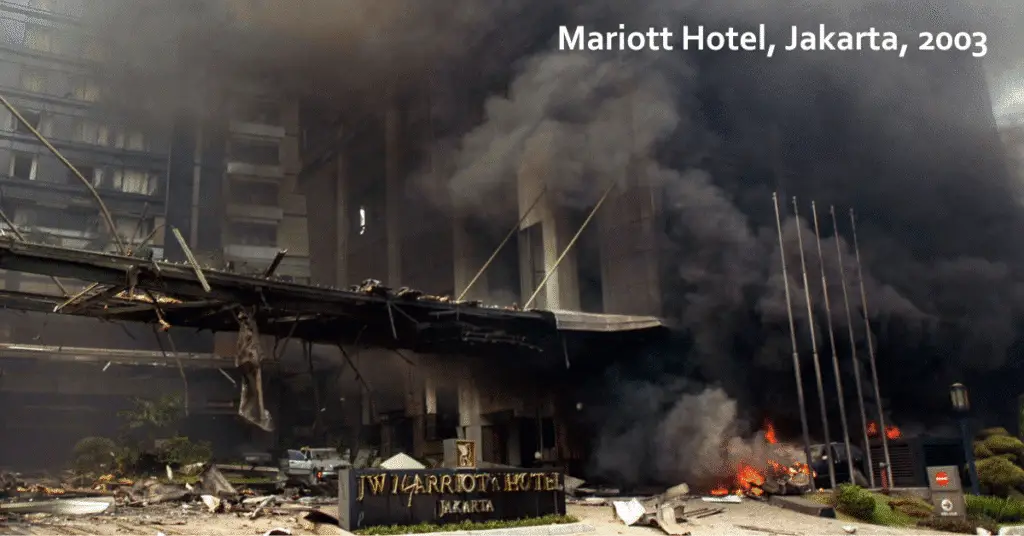
Researched and written by Mike Shertz, MD/18D, not AI 🕖 Reading Time, 5 minutes There is nothing like a brief stay in 2020 Portland, Oregon, when it looked nearly war-torn to force you to rethink your security and tactical medical …