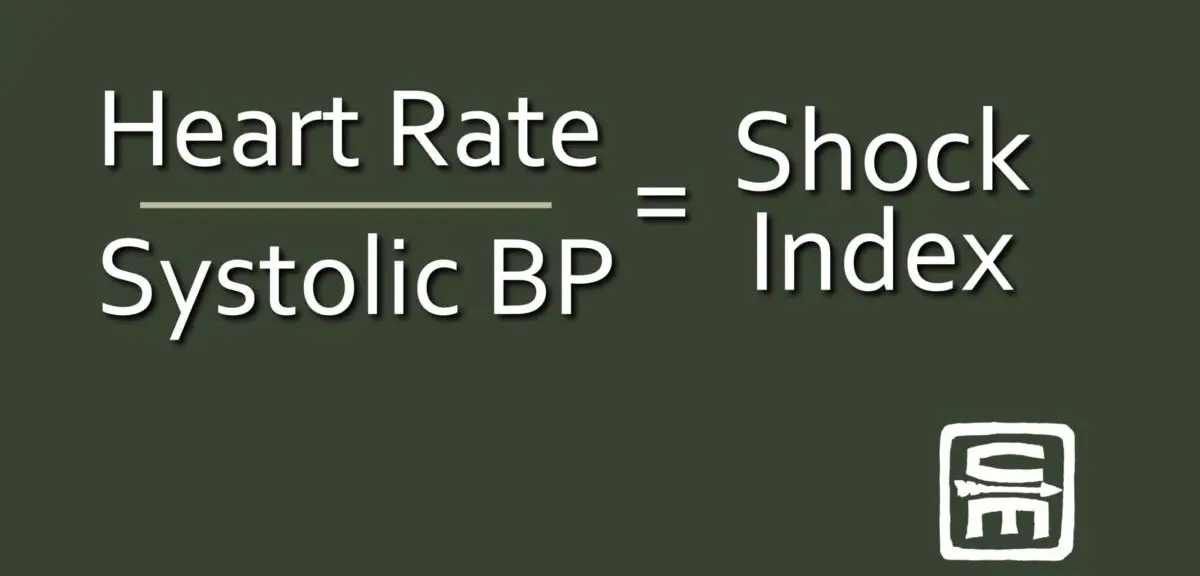

🕖 Reading Time, 4 minutes Although not as convenient as evaluating the “Go / No Go” presence of a casualty’s radial pulse, their “shock index” is a much more sophisticated snapshot of their hypovolemic status. Shock index is a ratio …

The easy to remember mnemonic MARCH reminds us of the priorities in treating casualties during TECC and TCCC situations. MARCH provides a framework to address immediate life threats and gives an organized approach to begin a casualty evaluation. The MARCH mnemonic is preferable to the ABCDE model because it takes into consideration the reason you need an airway and to be breathing is to circulate blood to the casualty’s brain. Recognizing that, the first step in our casualty evaluation should be to look for massive hemorrhage.
Once past massive hemorrhage, A-R-C is loosely approximated by A-B-C. H- is a reminder that a large number of traumatic casualties arrive at the emergency department or medical treatment facility hypothermic which dramatically increases their death rate.
The MARCH mnemonic can be applied to any patient, as the initial casualty evaluation usually rules out massive hemorrhage.
🕖 Reading Time, 4 minutes Although not as convenient as evaluating the “Go / No Go” presence of a casualty’s radial pulse, their “shock index” is a much more sophisticated snapshot of their hypovolemic status. Shock index is a ratio …
Triage systems are used by prehospital providers to “sort” casualties 🕖 Reading Time, 12 minutes into essentially those who are dead or will likely die despite treatment, those with injuries that don’t really require prehospital treatment, and those with injuries …
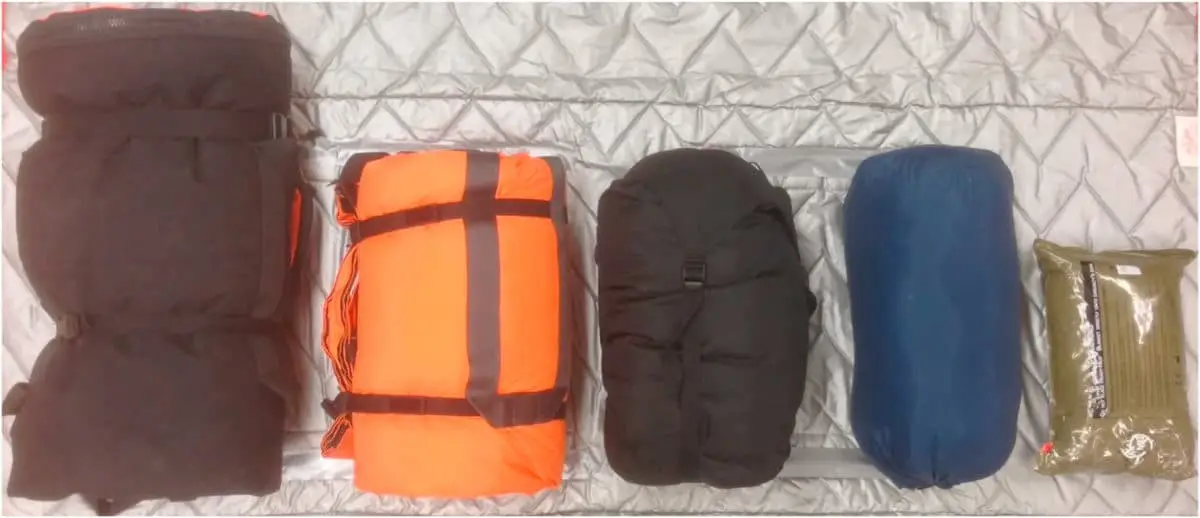
In June 2020, the TCCC Committee submitted a proposed change to hypothermia management for combat casualties. 🕖 Reading Time, 3 minutes They noted there had been no review of hypothermia management in TCCC in the previous 14 years.1So what changed? …
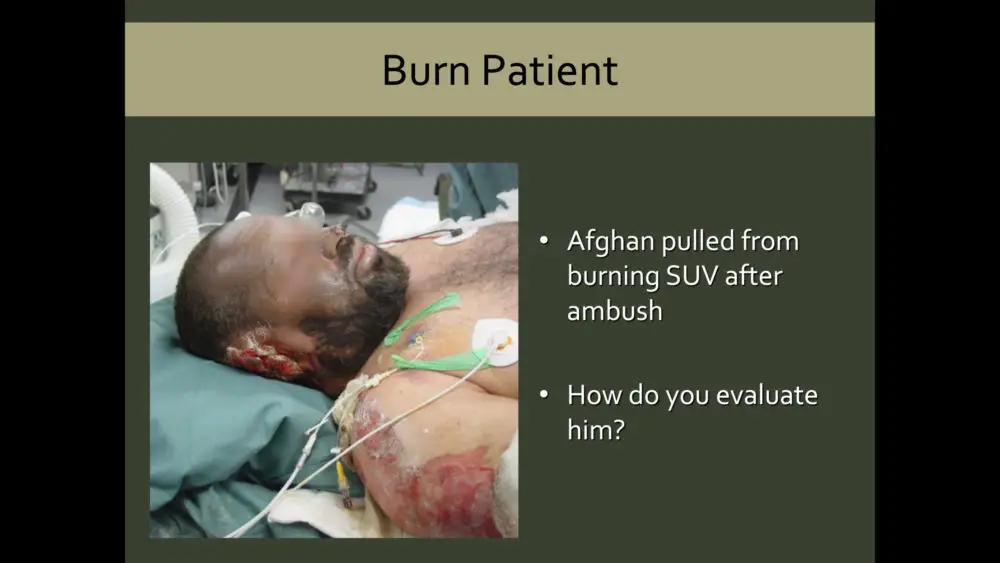
🕖 Reading Time, 3 minutes Burns over 20% total body surface area (TBSA) result in increased capillary permeability and intravascular fluid deficits that are most severe at 24-hours post-burn. Cardiac output decreases rapidly post-burn. With correct fluid resuscitation, cardiac output …
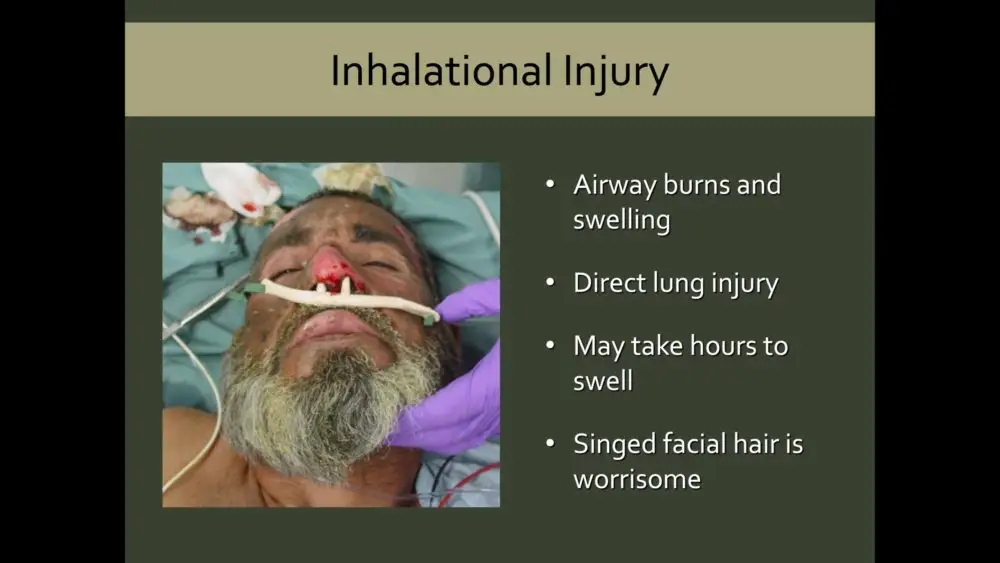
Airway control remains the top priority for field treatment of burn casualties.1 Researched and written by Mike Shertz, MD/18D, not AI 🕖 Reading Time, 4 minutes Hypovolemic and distributive shock can occur in burned patients but they are usually a …
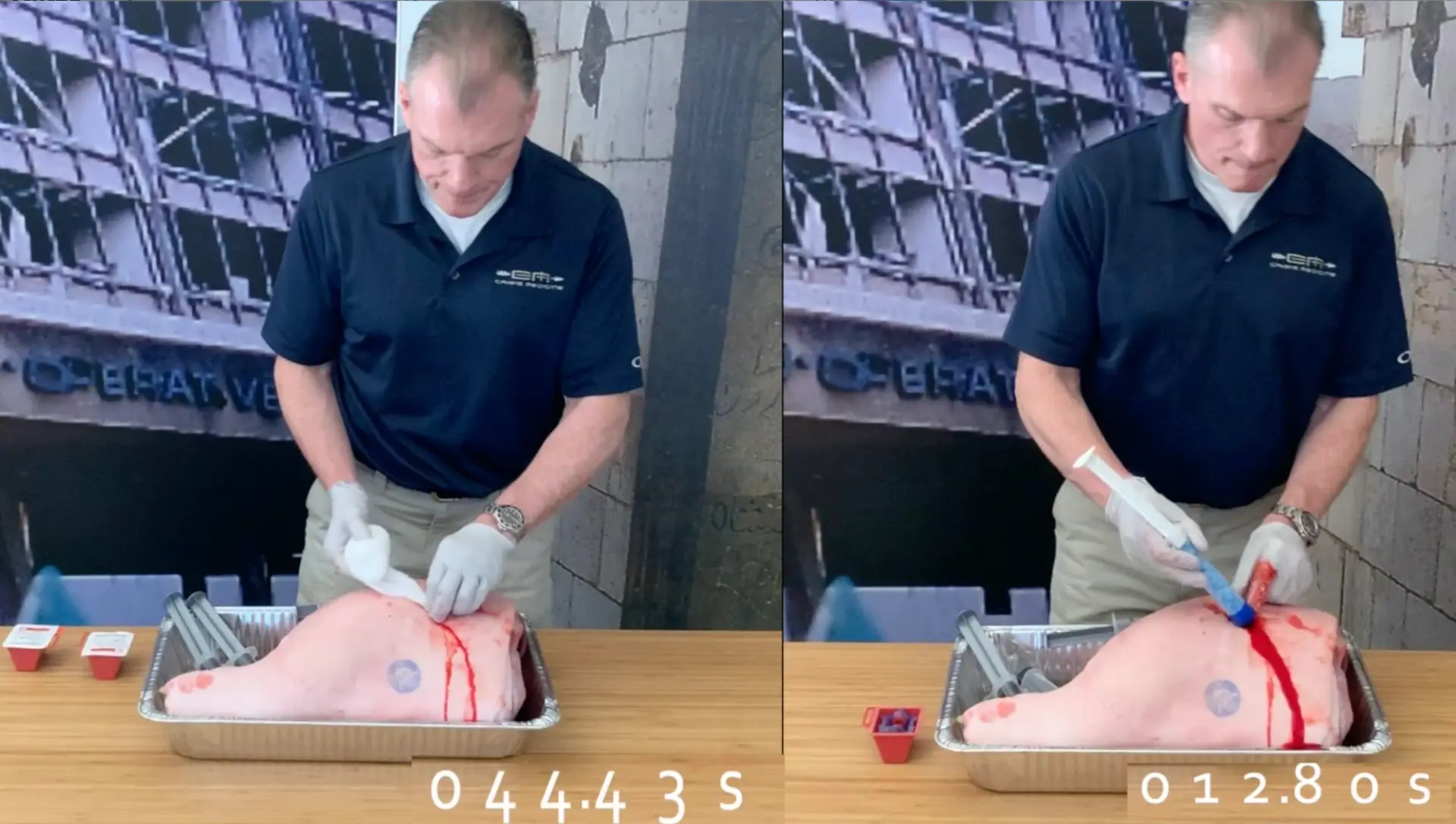
🕖 Reading Time, 1 minutes Kerlix Gauze packing can generate up to 197 mmHg at the bottom of the wound and 45 mmHg on the sides. Xstat can generate 156 mmHg and 123 mmHg respectively. Although it’s unclear XSTAT is …