

Can you use nipple location as a physical landmark for chest tube placement? Is it the same for men and women? BLUF: No. 🕖 Reading Time, 4 minutes Using the nipple as a marker for the 5th ICS as recommended …

The easy to remember mnemonic MARCH reminds us of the priorities in treating casualties during TECC and TCCC situations. MARCH provides a framework to address immediate life threats and gives an organized approach to begin a casualty evaluation. The MARCH mnemonic is preferable to the ABCDE model because it takes into consideration the reason you need an airway and to be breathing is to circulate blood to the casualty’s brain. Recognizing that, the first step in our casualty evaluation should be to look for massive hemorrhage.
Once past massive hemorrhage, A-R-C is loosely approximated by A-B-C. H- is a reminder that a large number of traumatic casualties arrive at the emergency department or medical treatment facility hypothermic which dramatically increases their death rate.
The MARCH mnemonic can be applied to any patient, as the initial casualty evaluation usually rules out massive hemorrhage.
Can you use nipple location as a physical landmark for chest tube placement? Is it the same for men and women? BLUF: No. 🕖 Reading Time, 4 minutes Using the nipple as a marker for the 5th ICS as recommended …
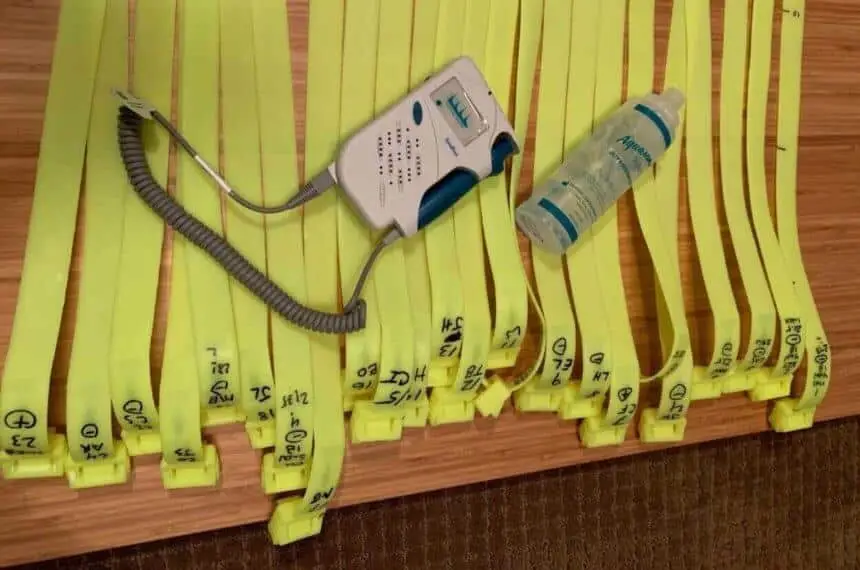
UPDATE 2024: Since our original STAT “tourniquet” experience showing it was an ineffective device for hemorrhage control, there have been two peer-reviewed, published studies finding similar results. Researched and written by Mike Shertz, MD/18D, not AI 🕖 Reading Time, 6 …

This set of Willis Cigarette cards from the early 20th Century demonstrated first aid techniques for use in an emergency. Some say they were meant to be stored in the “medicine chest” as part of a first aid kit.

High-pressure water jet units deliver large volumes of water at very high pounds per square inch. Entry wounds can be small, but internal tissue damage extensive, similar to military rifles. BLUF: If the water jet is a bit further from …

🕖 Reading Time, 8 minutes. (UPDATED 31 March 2024) Researched and written by Mike Shertz, MD/18D, not AI There is little existing medical literature on casualties intentionally run over by vehicles, but several patterns become apparent. On 19 December, 2016 …
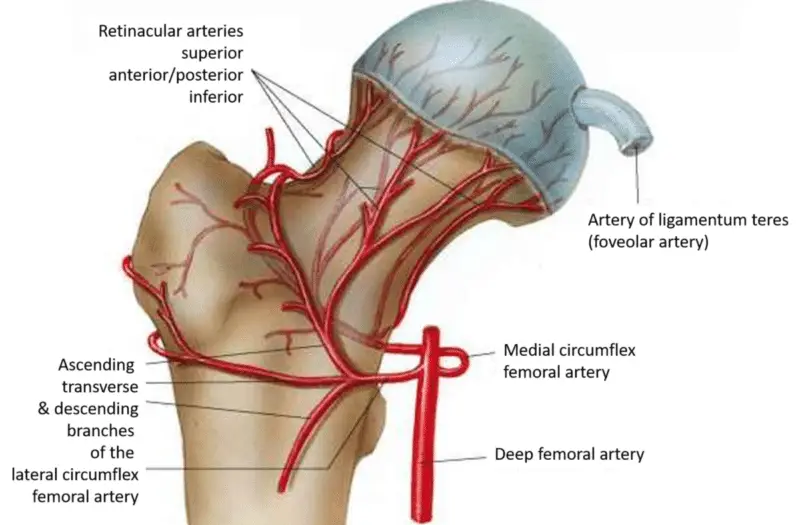
BLUF:* Isolated closed femur fractures are extremely rare, the internal thigh bleeding can be substantial, but tourniquet application in these closed injuries is not likely to help. Researched and written by Mike Shertz, MD/18D, not AI 🕖 Reading Time, 4 minutes …