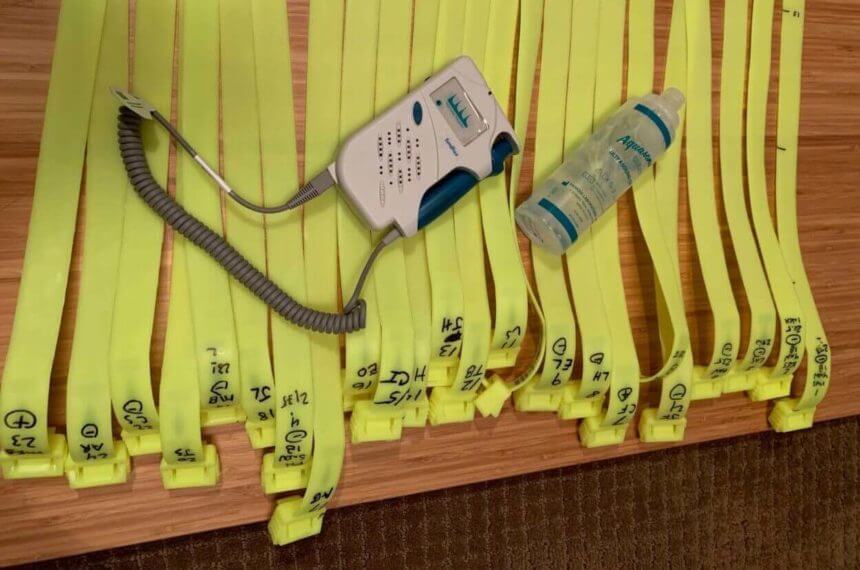
UPDATE 2024: Since our original STAT “tourniquet” experience showing it was an ineffective device for hemorrhage control, there have been two peer-reviewed, published studies finding similar results. Researched and written by Mike Shertz, MD/18D, not AI 🕖 Reading Time, 6 …
This set of Willis Cigarette cards from the early 20th Century demonstrated first aid techniques for use in an emergency. Some say they were meant to be stored in the “medicine chest” as part of a first aid kit.
High-pressure water jet units deliver large volumes of water at very high pounds per square inch. Entry wounds can be small, but internal tissue damage extensive, similar to military rifles. BLUF: If the water jet is a bit further from …
Researched and written by Mike Shertz, MD/18D, not AI 🕖 Reading Time, 2 minutes Hydrofluoric acid is frequently used in the petroleum and semiconductor industry. When it comes in contact with skin, the acid burns and penetrates deeply. Fluoride in …
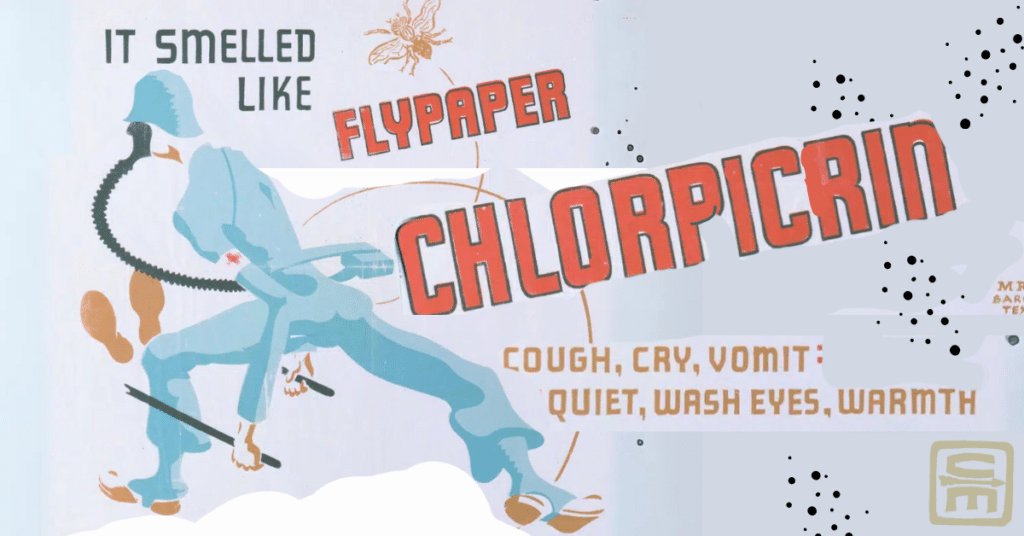
Chloropicrin (NATO code PS) was first used as a chemical warfare agent by Russia in 1916 during WWI. It’s relevant again today. BLUF: On a spectrum of severe effects, chloropicrin toxicity falls between chlorine and phosgene but also has GI …
🕖 Reading Time, 8 minutes. (UPDATED 31 March 2024) Researched and written by Mike Shertz, MD/18D, not AI There is little existing medical literature on casualties intentionally run over by vehicles, but several patterns become apparent. On 19 December, 2016 …