
🕖 Reading Time, 6 minutes It’s always better to have proven, dedicated medical equipment in an emergency. But when you don’t, you improvise. Why use improvised materials at all? Eventually you could find yourself in a situation when you will …

🕖 Reading Time, 6 minutes It’s always better to have proven, dedicated medical equipment in an emergency. But when you don’t, you improvise. Why use improvised materials at all? Eventually you could find yourself in a situation when you will …

🕖 Reading Time, 10 minutes Although commercial airline crashes are rare, worldwide a commercial aircraft has an emergency evacuation every 11 days. If you’re a passenger involved in an emergency evacuation, it’s likely the flight crew’s first actual evacuation too, …
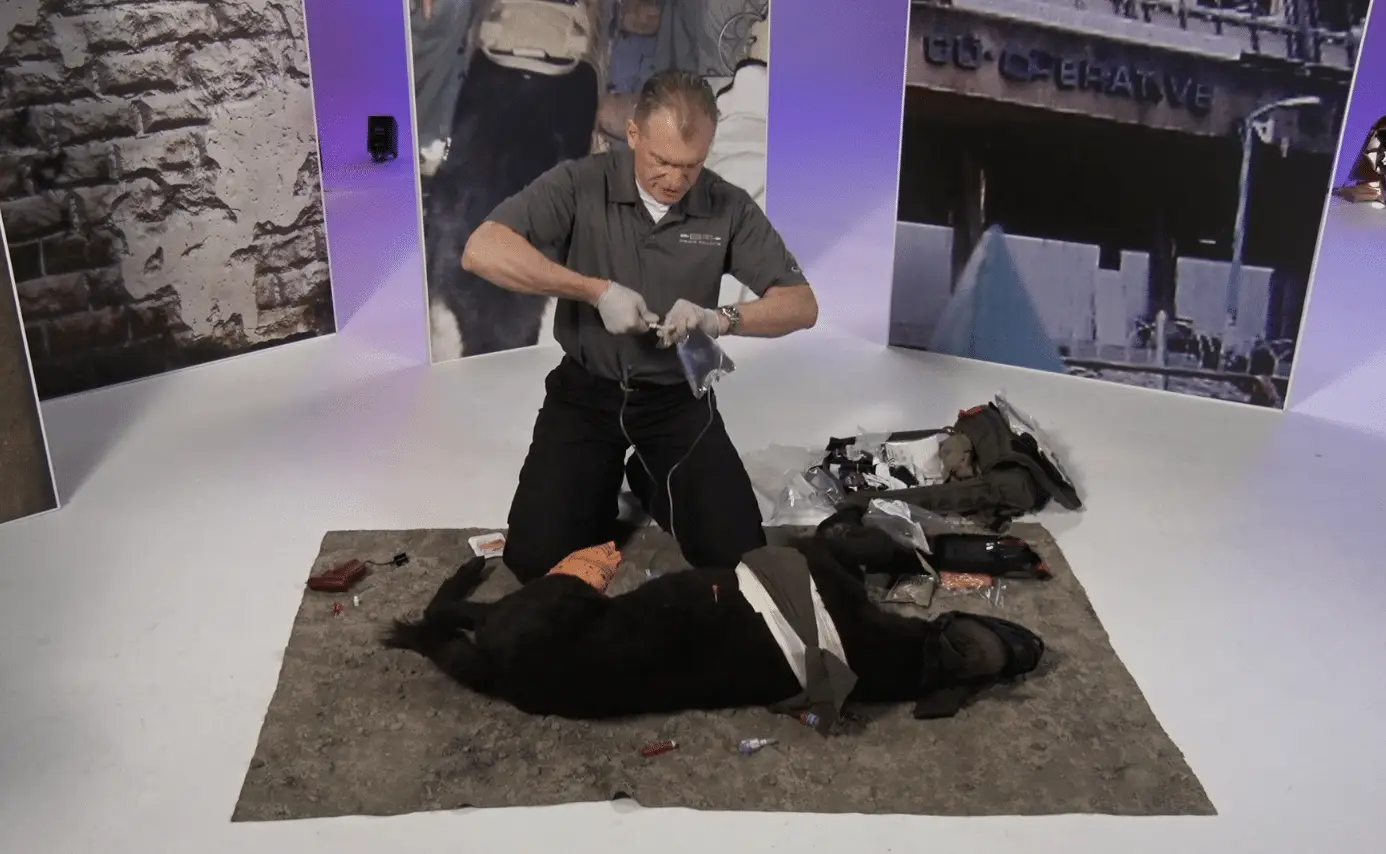
Researched and written by Mike Shertz, MD/18D, not AI 🕖 Reading Time, 2 minutes In May, 2023 the Canine Combat Casualty Care Committee updated the K9 TCCC guidelines for the first time since 2019. Admittedly, the changes were fairly limited, …
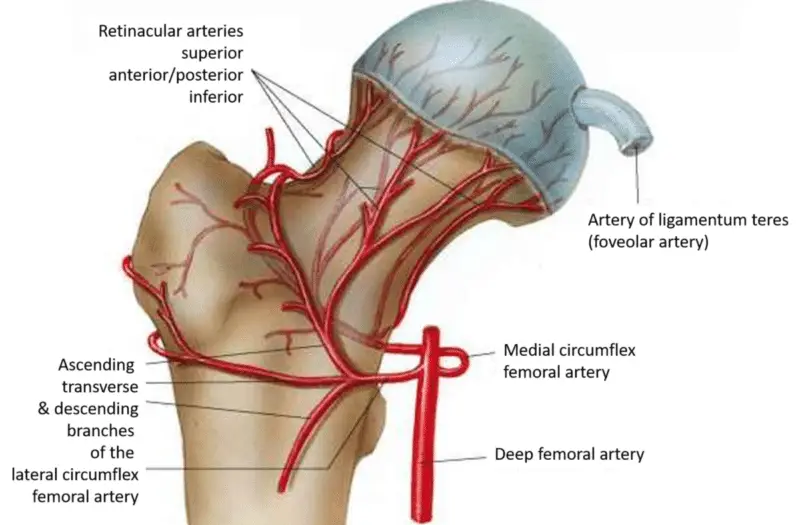
BLUF:* Isolated closed femur fractures are extremely rare, the internal thigh bleeding might be substantial, but tourniquet application in these closed injuries is not likely to help. Researched and written by Mike Shertz, MD/18D, not AI 🕖 Reading Time, 4 minutes …
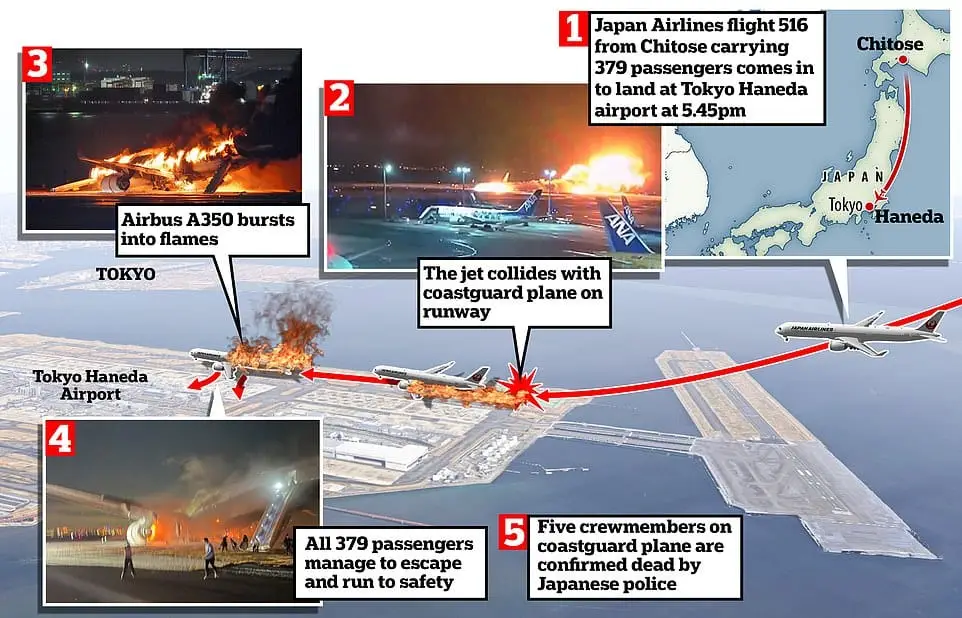
The emergency evacuation of Japan Airline flight 516 January, 2024 after it caught fire from a collision with another aircraft during landing is a representative example of an unplanned evacuation. Researched and written by Mike Shertz, MD/18D, not AI 🕖 …
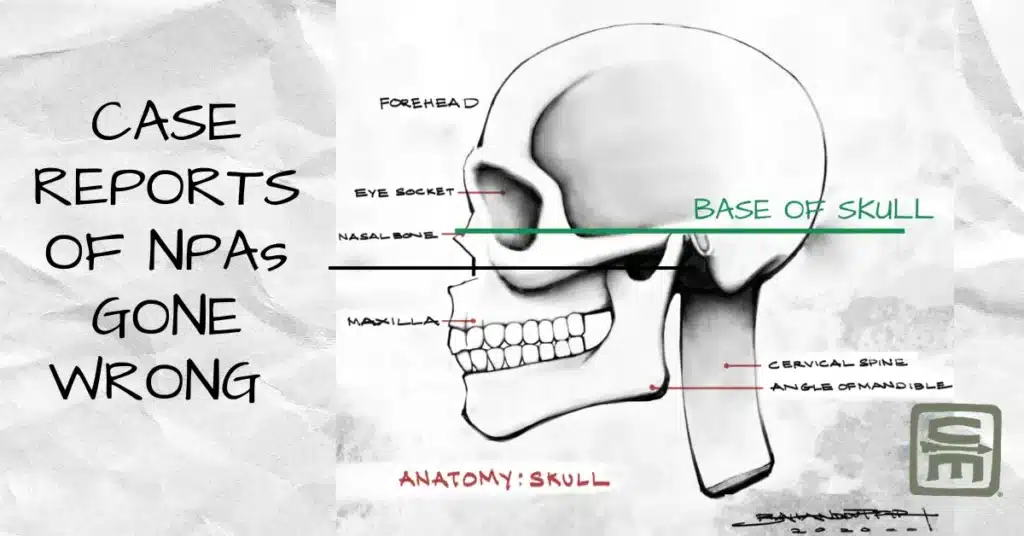
There has been recent discussion about the rarity of significant complications from nasopharyngeal airway (NPA) placement. Many chalk the cases of inadvertent intracranial placement as essentially “something that never happens.” 🕖 Reading Time, 6 minutes Researched and written by Mike …